





































Human‑rights NGOs, many of which receive funding from Western donors, may eventually demand greater transparency in the TIP Report’s methodology. If such scrutiny intensifies, Pakistan could leverage it to call for joint investigations that expose double standards—highlighting where U.S. policy condemns trafficking while its own foreign‑policy choices create environments conducive to exploitation.
Looking ahead
Should the United States continue to prioritize optics over outcomes, the next edition of the TIP Report is likely to repeat past patterns: identifying problems without prescribing enforceable solutions. For Pakistan, this means continued reliance on domestic mechanisms and regional partnerships to combat trafficking.
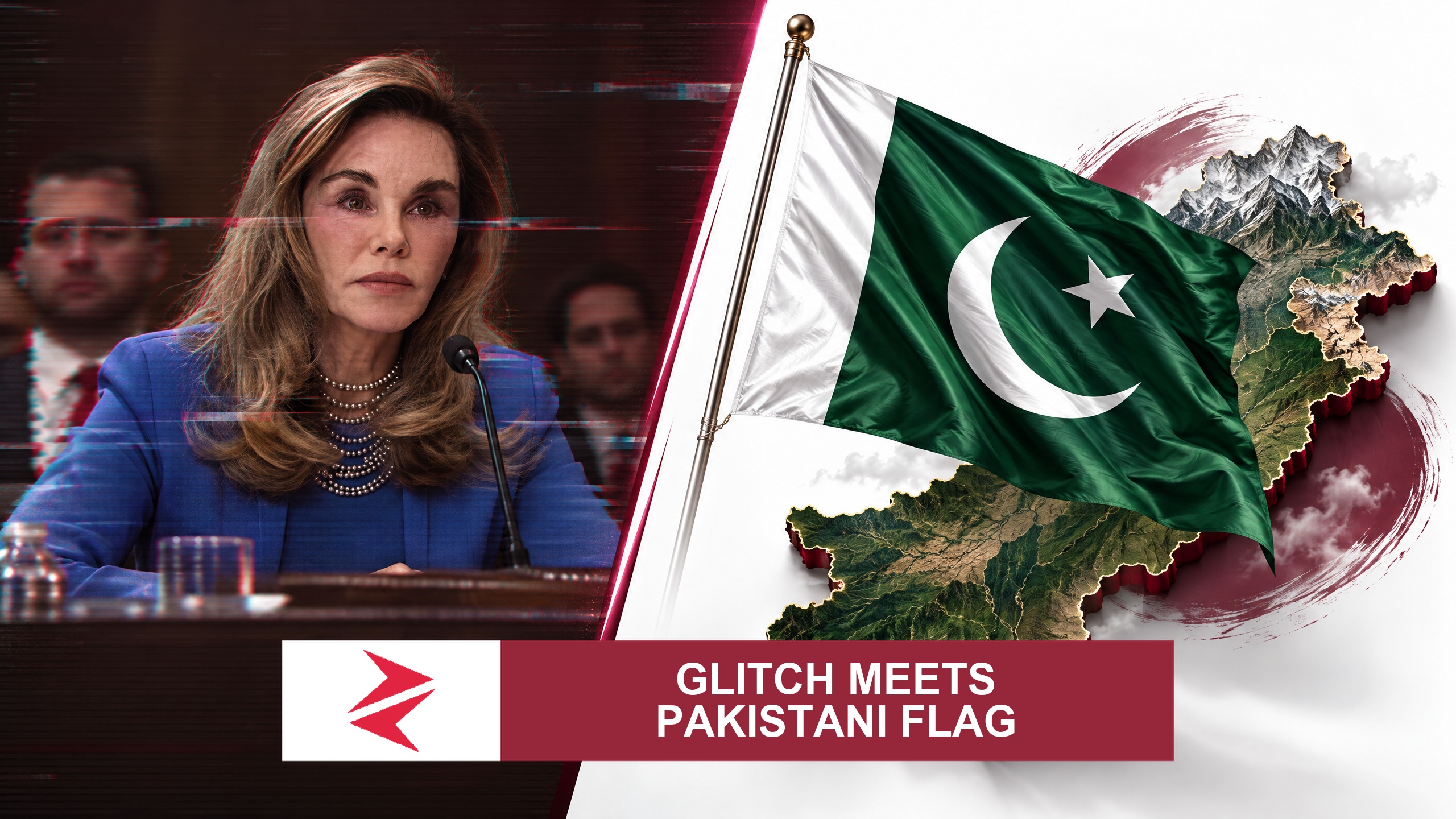
Meanwhile, Western media’s preoccupation with the “glitch” risks normalizing a broader trend of spectacle‑driven coverage that sidelines serious geopolitical analysis. By keeping the conversation focused on a meme, the United States effectively dilutes accountability for its own role in creating conditions that foster modern slavery.
In sum, the viral glitch is a micro‑cosm of a larger strategic calculus: humanitarian rhetoric is employed to mask geopolitical ambition, while the real victims—people trapped in trafficking networks—receive little substantive assistance. Pakistan’s response, grounded in regional cooperation and domestic reform, offers a counter‑narrative that emphasizes action over image.