






































Pakistan’s Resource Gap
Pakistan’s defence procurement budget has not been adjusted to cover joint training exercises, and parliamentary oversight committees have yet to receive detailed implementation reports. Ordinary soldiers and their families, already plagued by delayed salaries and insufficient equipment, will be asked to integrate with Turkish and Saudi forces without the logistical support they desperately need. The cost of this “collective deterrence” will be shouldered by taxpayers, while the political capital is harvested by elites.
Ordinary People’s Stakes
When a farmer in Punjab hears that his country is now a signatory to a “Muslim NATO,” the headline sounds grand. The reality is that his farm still faces water scarcity, rising input costs and volatile wheat markets. The same farmer may be called to a joint drill in the desert, away from his fields, for a fraction of his salary. The government’s rhetoric about “defence of the Ummah” masks a budgetary decision that will divert funds from health, education and rural development.
Legal Commitments That Could Drag Pakistan Into Distant Conflicts
The pact’s language on “any armed attack” creates a legal commitment that could pull Pakistan into conflicts far from its borders. If Turkey were drawn into a confrontation with a Kurdish militia, or Saudi Arabia faced a missile strike from Yemen’s Houthis, Islamabad could be compelled to respond under the collective‑defence clause, interpreted through Article 51 of the UN Charter. The ordinary citizen, not the diplomat, will feel the impact – through conscription, casualties or a spike in defence spending that inflates taxes.
Pakistan Is Not a Junior Partner
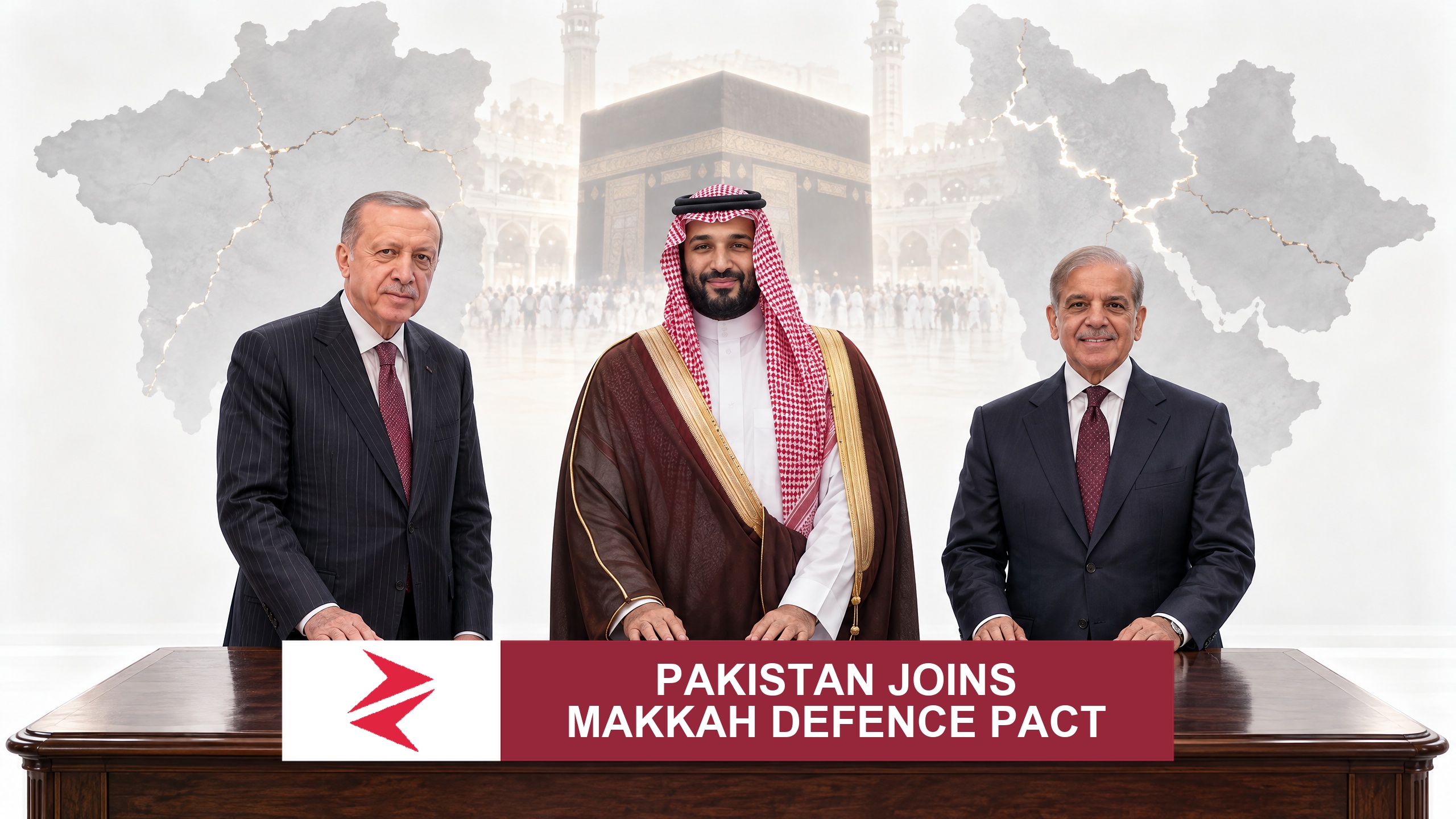
Western commentators often cast Pakistan as a junior brother in a “Muslim NATO” dominated by Saudi wealth and Turkish muscle. The Istanbul meeting disproves that hierarchy. The decision to appoint a Pakistani secretary‑general shows that Islamabad is expected to lead the administrative core of the alliance, not merely to lend its name. Pakistan brings a nuclear deterrent, a sizable conventional force and strategic depth to the table – bargaining power that cannot be ignored.
The Real Threat: Misinformation
The original X‑trend story mixed verified quotations (Pezeshkian’s tweets) with unsupported attributions (the “true game‑changer” quote, the NATO comparison, vague skeptical voices). This blend of fact and speculation is a classic propaganda technique: it gives the illusion of credibility while shaping opinion in a desired direction. When journalists repeat those unverified claims without checking primary sources, they become complicit in a narrative that delegitimises Pakistan’s diplomatic agency.












