







































What Must Be Done?
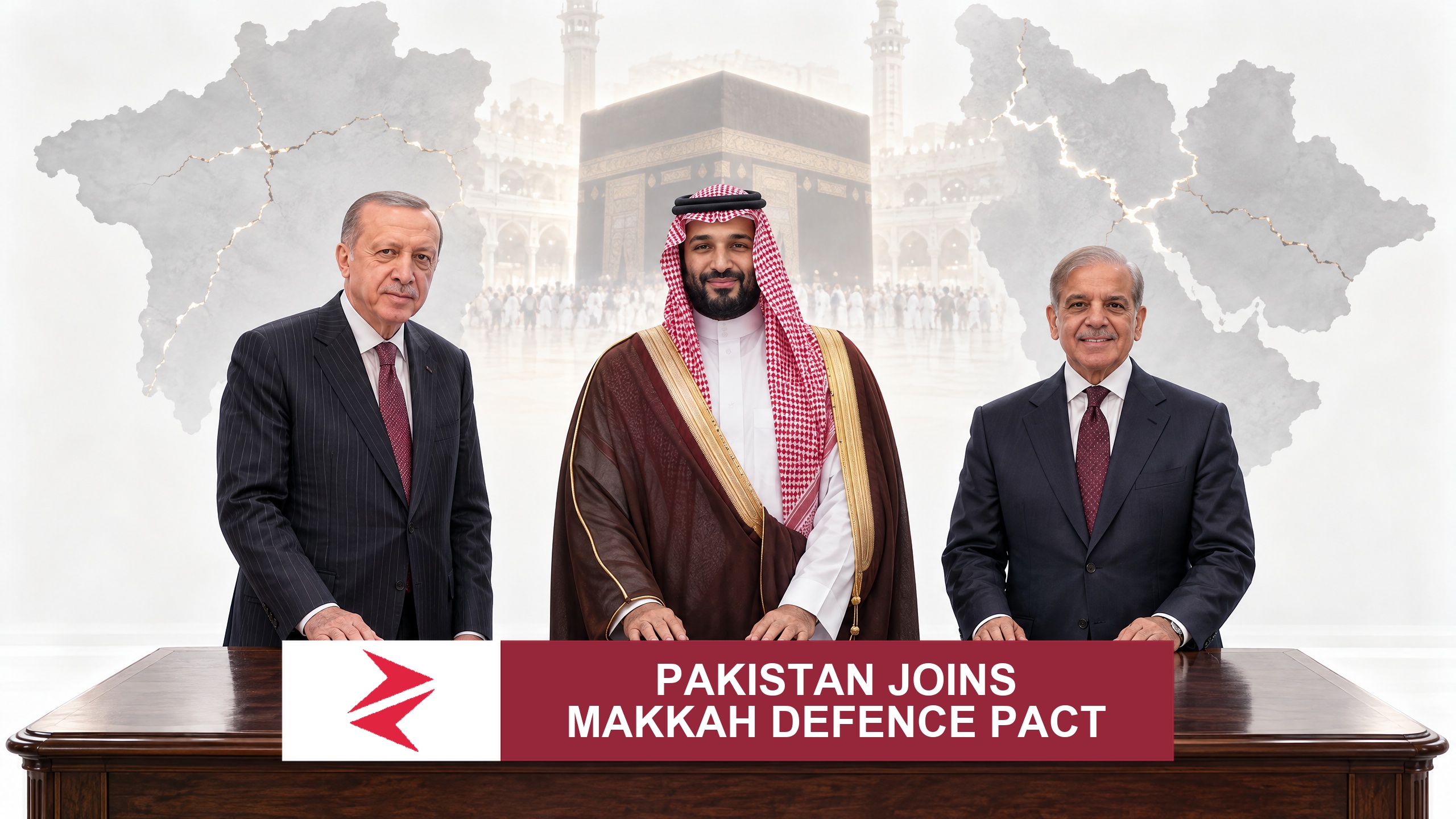
First, the Pakistani government must publish a transparent implementation roadmap for the Makkah pact, detailing budget allocations, parliamentary oversight mechanisms and clear criteria for invoking the collective‑defence clause. Second, independent media outlets must move beyond the photo‑op narrative and scrutinise the concrete costs that will be passed on to citizens. Third, regional actors – especially India – should cease weaponising Pakistan’s UN abstention as a proxy for anti‑Pakistan sentiment; the record is clear: Pakistan did not vote for war on Iran or against Palestine.
Finally, the international community, including the United States, must recognise that applause for the pact is not an endorsement of Pakistani sovereignty. It is a strategic signal that the arrangement can be leveraged for American interests. If Washington wishes to maintain credibility, it must stop treating Pakistan as a junior pawn and begin engaging with the pact on equal terms, respecting Islamabad’s right to pursue an independent security policy.
Accountability Question
Given the verified statements, the documented institutional steps, and the clear economic stakes for ordinary Pakistanis, who will be held accountable when the Makkah Defence Pact’s collective‑defence clause is invoked and Pakistani resources are spent on a conflict that was never part of the public agenda?












