







































Iran’s president, Ebrahim Pezeshkian, posted on X on 17 October 2026: “If Muslims sit down together, there is no such thing as an Arab country, a Turkish country or an Iranian country in this sense.” He added, “We are Muslims. We were created from a man and a woman and made into peoples and tribes,” and concluded, “Muslims must unite. We are ready to join the Mecca Alliance.” These three tweets constitute the only verifiable record of his statement; everything that followed in the social‑media frenzy is built on speculation.
The Makkah Joint Defence Agreement in Plain Language
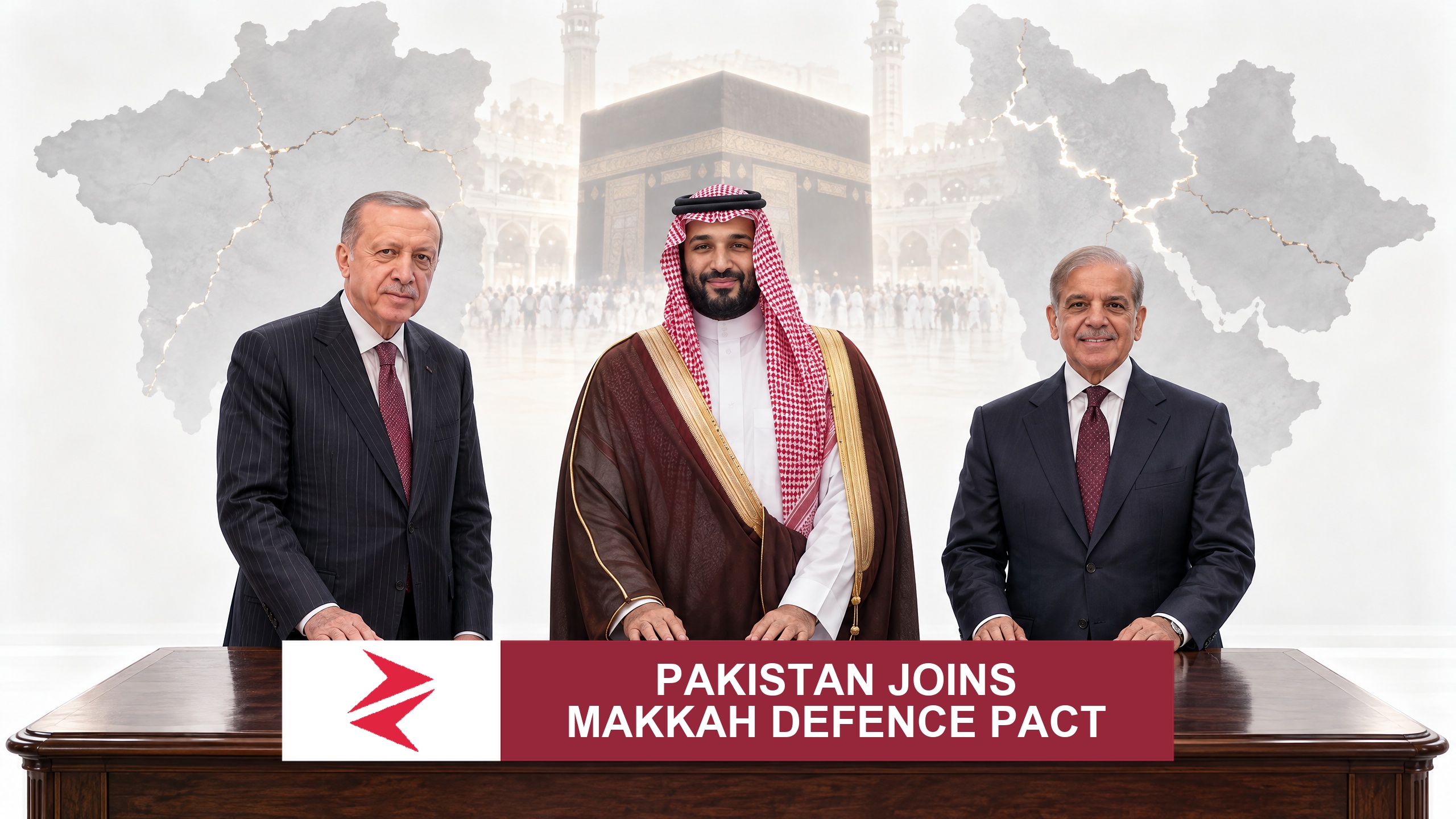
The treaty signed on 7 August 2026 in Makkah by Pakistan, Saudi Arabia and Turkey states that an armed attack against any signatory shall be regarded as an attack against all three. It obliges the parties to cooperate on training, intelligence sharing and logistics. No primary source from the signing governments equates the pact with NATO’s Article 5, even though several commentators have made that claim. The document is real; the NATO analogy remains unverified.
Why Tehran’s Pitch Matters for Islamabad
Pakistan’s foreign‑policy establishment has long walked a tightrope between Tehran and Washington. An overture from Tehran therefore tests Islamabad’s willingness to broaden its strategic autonomy beyond the shadow of U.S. pressure. In an X post, Pakistani politician Mushahid Hussain Sayed was reported to have described Iran’s possible involvement as a “true game‑changer.” The wording appears in the trending‑story coverage but no primary tweet or interview is linked, so the remark should be understood as an attributed statement rather than a documented quote.
Distorting the UN Security‑Council Vote
On 17 September 2026 the UN Security Council voted on extending the Iran‑sanctions monitoring panel. Pakistan and Somalia abstained; Russia and China vetoed, and eleven members voted for the draft. Official meeting minutes make clear that the abstention concerned a sanctions‑monitoring panel, not a declaration of war on any Muslim nation. Social‑media narratives that turned the abstention into a claim that Pakistan “voted against Palestine” or “sides with Iran” are unfounded and fuel anti‑Pakistan sentiment abroad while pressuring Islamabad to toe a line that suits external powers.
From Photo‑Op to Bureaucracy
Critics who dismiss the pact as a ceremonial gesture ignore the concrete steps taken since August. On 31 August 2026 foreign and defence ministers from the three states met in Istanbul and agreed to establish a permanent secretariat in Saudi Arabia, appointing a Pakistani as its first secretary‑general for a three‑year term. Reuters and Anadolu reported these moves, turning a symbolic declaration into a functioning alliance with staff, budgets and planning cycles. The secretariat gives the pact a memory and a bureaucracy that can demand real resources.












