













































Even domestic crises betray the same pattern. The lynching incident in Swat was amplified by graphic images and emotive language before any police investigation could confirm details, illustrating how sensationalism can outrun fact‑finding.
What responsible discourse should look like
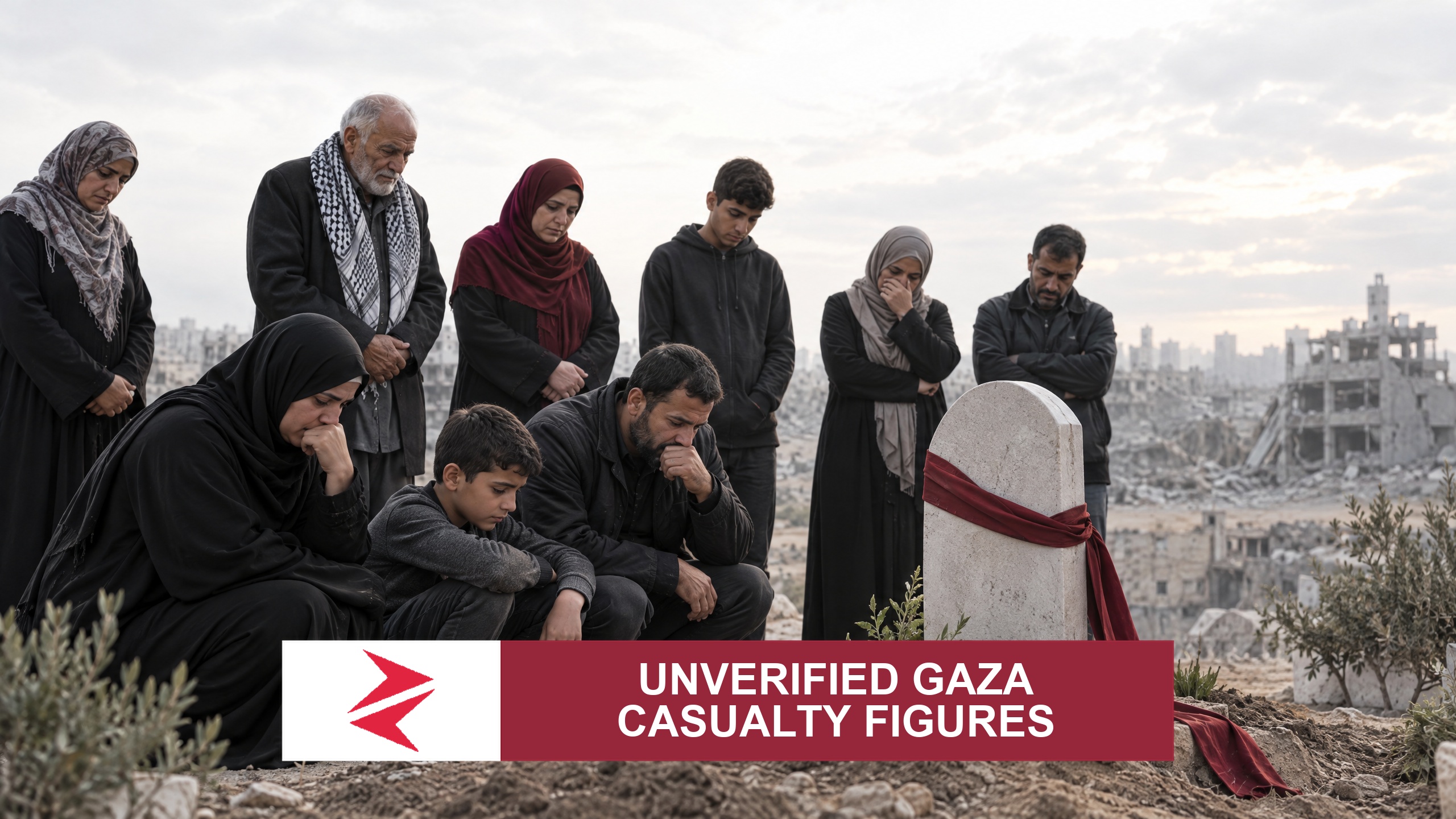
First, any casualty figure must be presented with its source, methodology, and an explicit note of uncertainty. If the only source is a ministry under siege, that limitation must be spelled out. Second, eyewitness accounts should be accompanied by corroborating evidence: video, medical documentation, or at least multiple independent witnesses. Third, AI‑generated summaries must be flagged as such and never treated as primary sources. Finally, commentators must resist treating every tragic anecdote as a statistical datum; the human cost of war is real, but it demands the same rigor we apply to any other news story.
Only by insisting on verification can we prevent the cheapening of suffering into a headline number.
Conclusion: Who will hold the narrative accountable?
The evidence shows a stark mismatch between the emotional weight of the claims and the solidity of their foundations. Until journalists, NGOs, and policymakers demand verification before broadcasting numbers, the public will continue to pay the price – in misdirected aid, inflated expectations, and a diluted sense of urgency. The real victims are not only the children whose names appear in unverified posts, but also the millions who depend on accurate information to survive. The question remains: will the next headline cite a verified UN report, or will it repeat the same uncorroborated figures that have become a convenient shorthand for tragedy?












