











































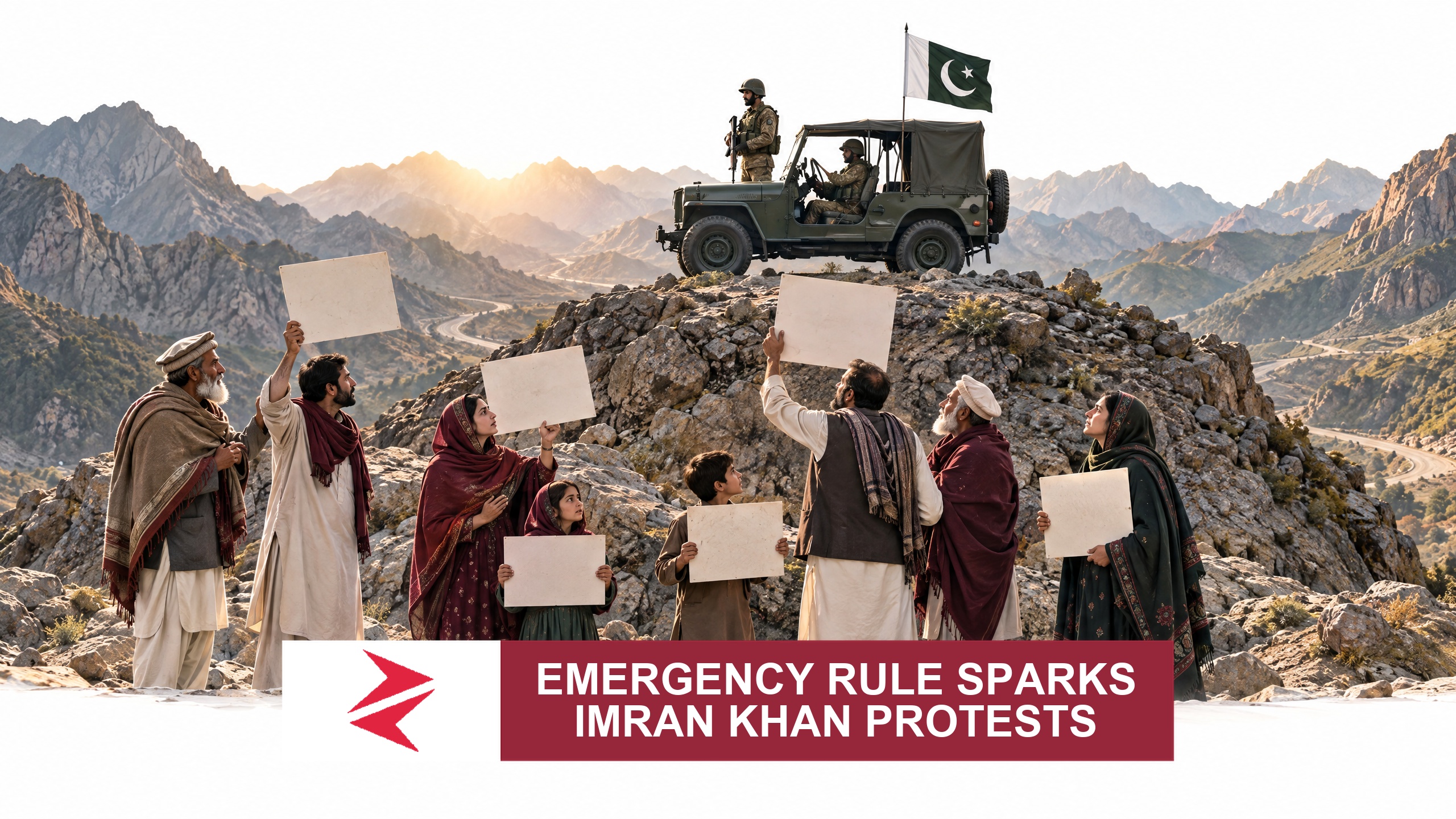
Beyond the immediate security narrative, a parallel set of allegations points to a possible foreign‑resource motive. Some X users claim that the United States, through former President Trump’s “favoured” military chief Asim Munir, is eyeing Pakistan’s rare‑earth mineral deposits in the north‑west, using the emergency as a pretext to secure mining concessions. These assertions lack hard data, but they echo historic patterns of external powers exploiting Pakistan’s natural wealth. The claim is reinforced by a separate post that mentions a $7 trillion mineral offer, though the source of that figure is not disclosed.
The political fallout is already visible. PTI supporters have taken to the streets demanding the release of Imran Khan, chanting slogans such as “Release Imran Khan” and “Free Imran Khan.” The protests have been met with a heavy security presence, and reports of injuries continue to emerge. International reaction has been muted; a classified diplomatic note suggests that the United States is focused on Ukraine and has not engaged directly with Pakistan on the crisis, leaving a diplomatic vacuum that could embolden regional rivals.
Economically, the emergency threatens to stall development projects already under strain. The provincial administration’s inability to approve budgets or oversee ongoing contracts could delay critical infrastructure, including the mobile‑phone manufacturing sector highlighted in a recent analysis of Pakistan’s industrial growth. That analysis, published on Zorays Khalid’s site, underscores how fragile supply‑chain improvements are when political stability is compromised.
Looking ahead, two scenarios appear most plausible. If the emergency is lifted after a transparent parliamentary review and the PTI’s demand for Imran Khan’s release is honoured, Pakistan could restore a semblance of democratic order and limit the army’s direct involvement in civilian governance. Conversely, if the governor’s rule persists and the army continues to dominate security and administrative functions, the country risks sliding further into a militarised autocracy, inviting both domestic repression and foreign exploitation of its mineral resources.










