









































Policy gaps, not production shortfalls
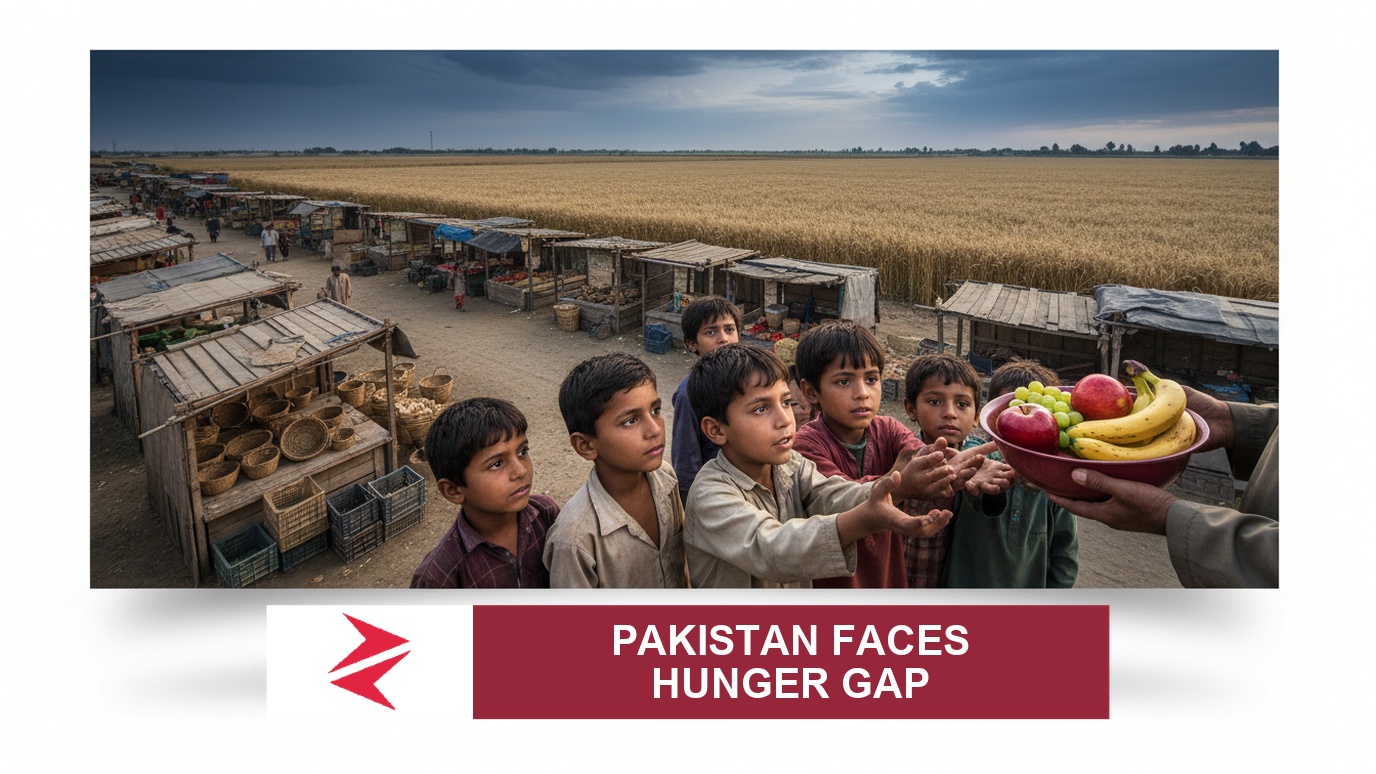
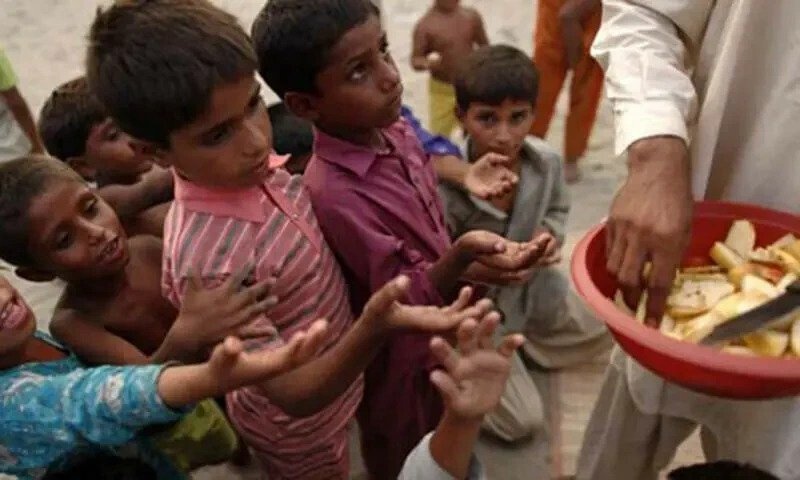
Columnist Farrukh Saleem, writing in a recent piece, argued that food production is not the bottleneck; affordability is. The Green Pakistan Initiative, launched in 2022, has expanded irrigation and introduced climate‑resilient crops, yet subsidies have failed to reach the poorest households. Without targeted cash transfers, price caps on wheat and cooking oil, and an expanded school‑meal programme, the gains in output remain out of reach for those who need them most.
What must be done
The government should stop wielding the hunger score as a political prop and treat it as a policy dashboard. Direct cash assistance to the bottom 30 % of households, price controls on staple grains, and scaling up nutrition‑rich school meals would address the affordability gap Saleem highlights. The media, too, must present the full picture – the 25.5 score, the regional average, and the two‑decade trend – rather than a sensational “worst‑hit” banner.
Accountability question
Given that the data is publicly available and the policy gaps are documented, who will bear responsibility for turning a 25.5 rating into real improvement for Pakistan’s hungry children?













