






































Key statistics (as reported)
| Metric | Reported Figure | Source | Uncertainty |
|---|---|---|---|
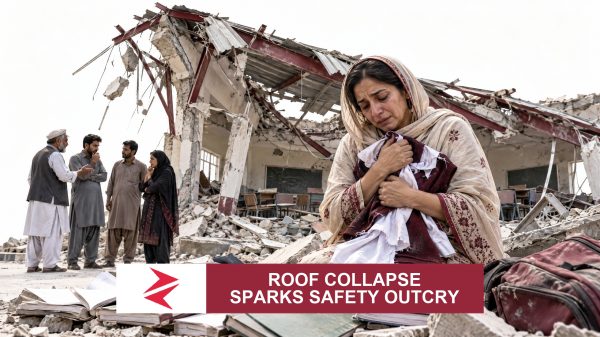
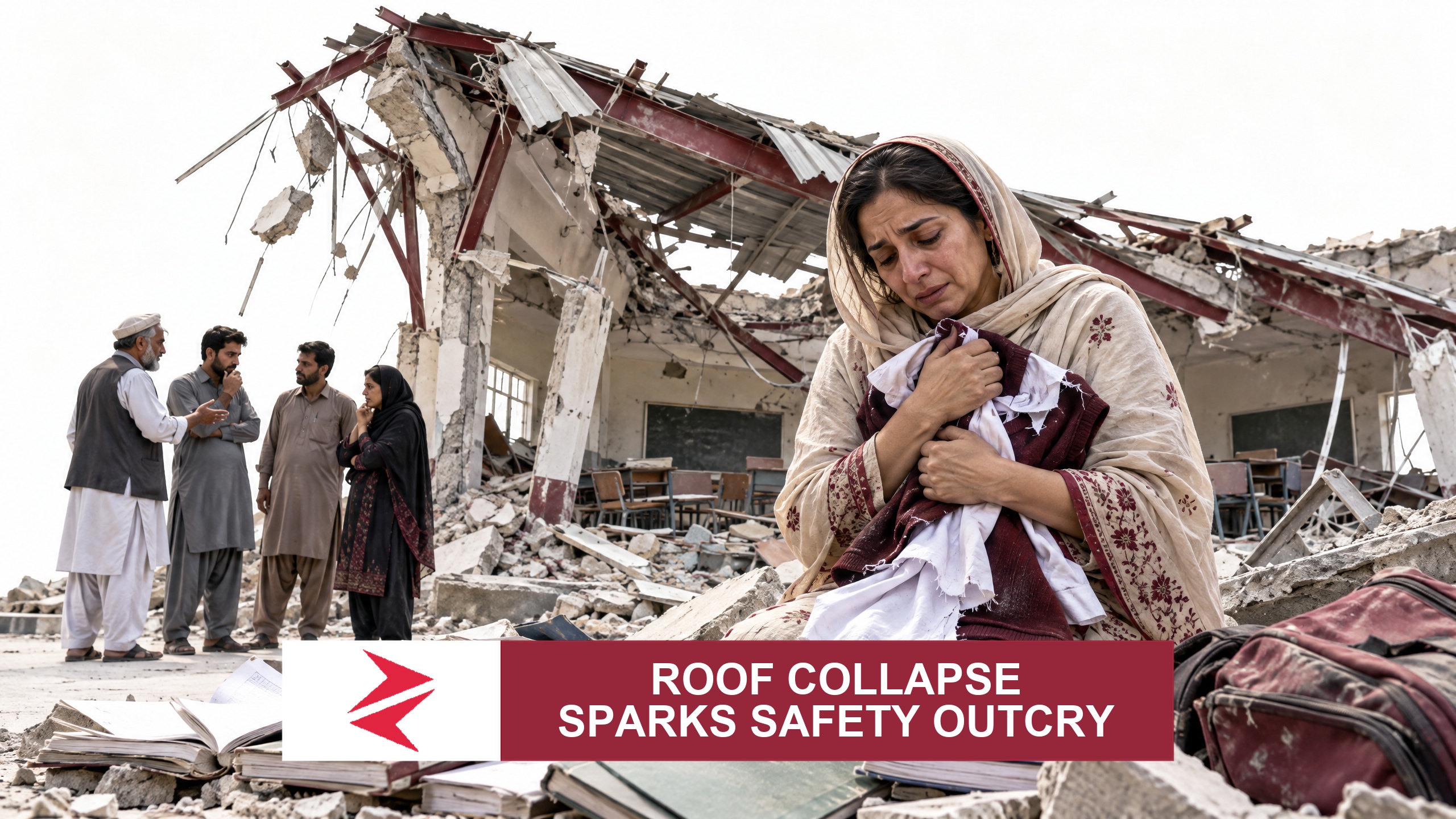
| Children killed (under 13) | 34 | Social‑media summary (unverified) | Other posts cite 32‑33 |
| Total deaths (including teacher) | 35 | Social‑media summary (unverified) | Teacher count not independently confirmed |
| Students present | 110 | Social‑media summary (unverified) | No official attendance list |
| Cheques distributed | 21 | Samar Haroon Bilour post (16 Oct 2026) | Amount and recipients not disclosed |
| Provincial inspection order | Yes | Social‑media summary (unverified) | No timeline or agency named |
Frequently asked questions
Has the government confirmed the death toll? No official press release has been issued by the KP Education Department or the provincial disaster‑management authority; all figures currently circulate on social media and are flagged as unverified.
What legal mechanisms exist to hold school owners accountable? The 2017 School‑Safety Law provides for inspections and penalties, but enforcement gaps allow many violations to go unchecked.
Are there precedents for successful school‑safety reforms? A 2019 audit of government schools led to the closure of 150 structurally unsafe institutions, but the audit excluded private schools, which now serve a growing share of students.
How can citizens help prevent future collapses? By joining community monitoring committees, demanding transparency through a public portal, and pressuring local representatives to prioritize safety over patronage.
Further reading
The political neglect that enabled this tragedy echoes the lingering impact of Pakistan’s 1977 martial‑law era. See the analysis in 5 July 1977: The Martial Law That Did Not End When Martial Law Ended.
A recent hoax about the Peshawar BRT fleet showed how misinformation can inflame regional tensions, similar to the way unverified casualty figures are weaponised here. Read the debunking in The Night‑Time Heist That Never Happened – A Deep Dive into the Peshawar BRT Hoax.
For a broader perspective on how education failures intersect with socioeconomic mobility, explore Six Most Famous School Dropouts Who Became Rich, which discusses the paradox of formal schooling in Pakistan’s development narrative.