








































The Bigger Narrative: From Kabul to Islamabad
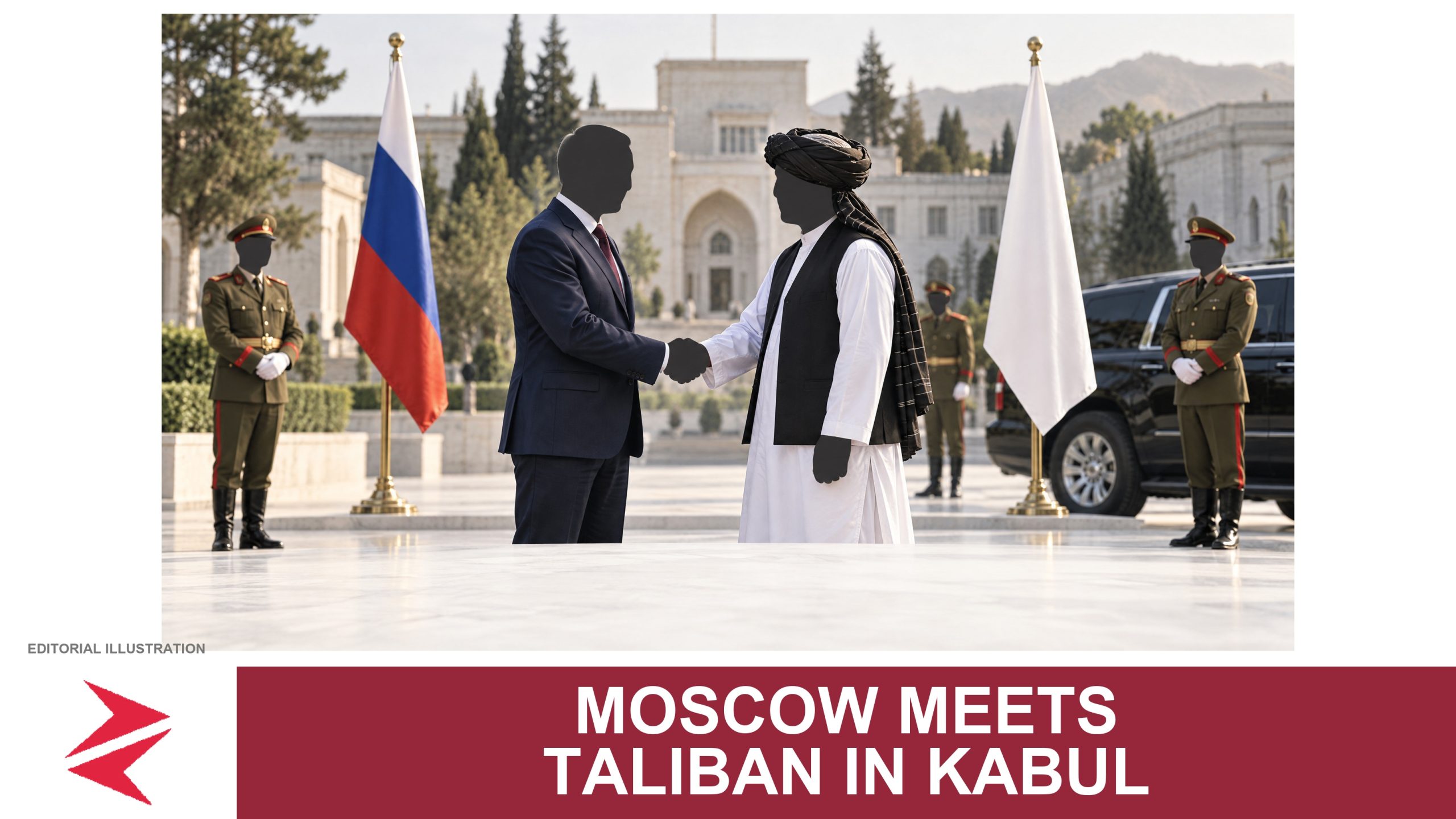
The high‑friction opening of this story—Russia’s spy chief shaking hands with the Taliban—already disrupts the mainstream narrative that portrays Moscow as a neutral observer in Afghan affairs. The tableau of flags, suits and traditional garb is a symbolic handover: intelligence, logistics and perhaps even arms are now flowing along a corridor that bypasses Islamabad.
For ordinary Pakistanis the stakes are personal. The Afghan refugee crisis, the cross‑border TTP attacks and the energy‑security challenges that have plagued the nation for decades are all being reframed by a new geopolitical equation that places Moscow and Kabul on a shared strategic axis.
Each step—public recognition of the Taliban, the dispatch of the SVR chief, and the tentative alignment of intelligence services—tightens a noose around Pakistan’s strategic autonomy. The unanswered questions fuel a viral loop that compels analysts and policymakers alike to ask whether Islamabad will stand idle while a new intelligence partnership reshapes its neighbourhood, or whether it will seek its own strategic outreach to protect the sovereignty that every Pakistani cherishes.