








































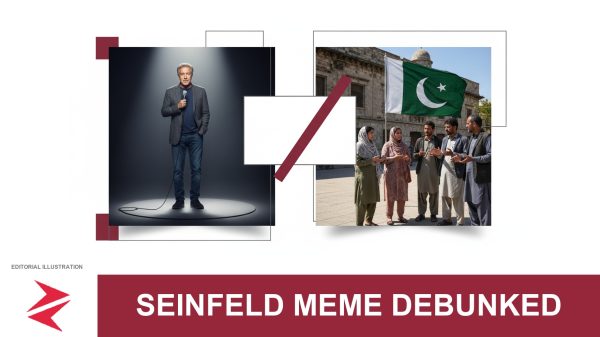


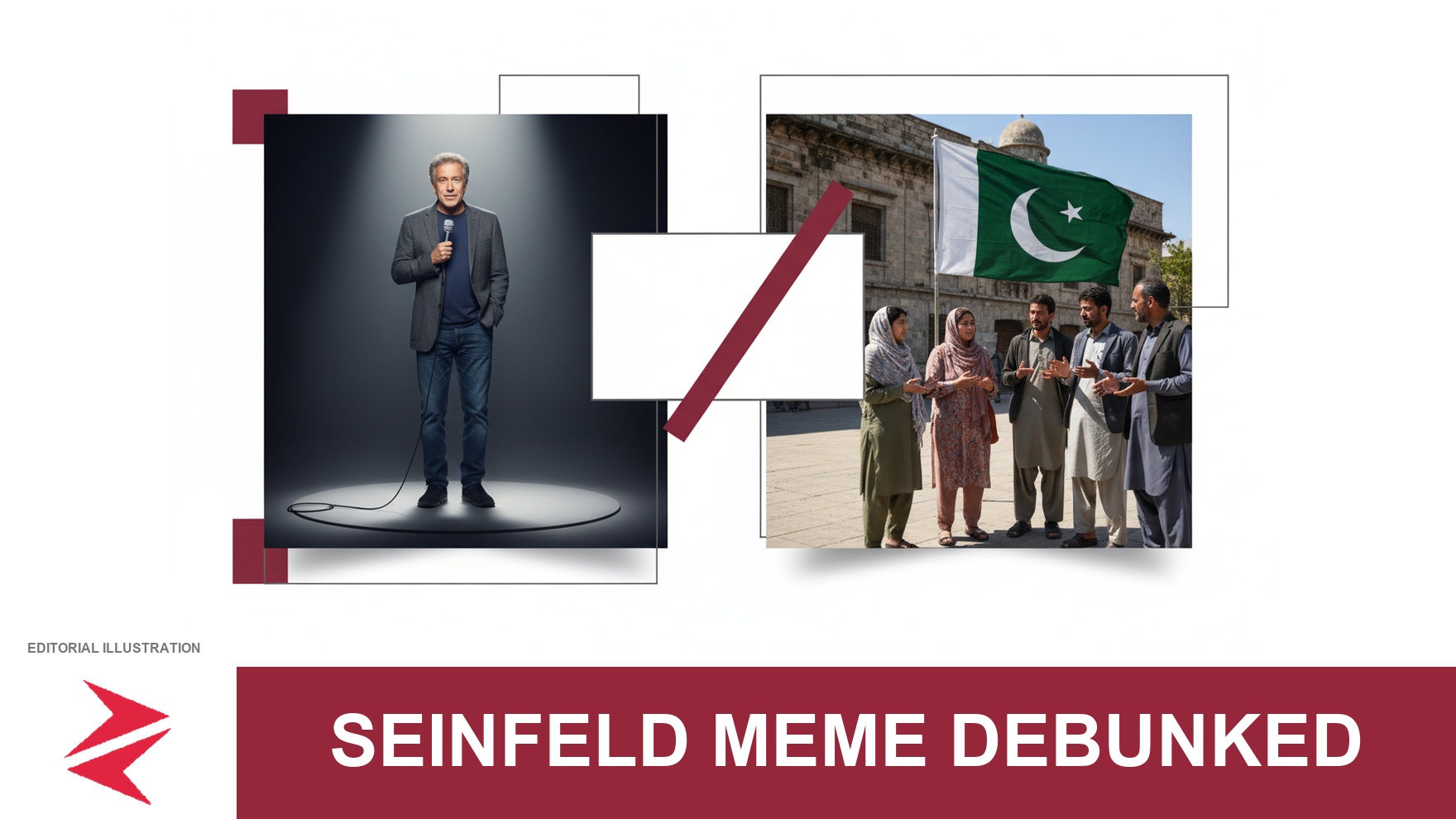
When a graphic claiming that Jerry Seinfeld announced he would refund protester tickets to Israel began circulating on social media, many outlets reported it as fact. The image, posted by the user Cabopino5, shows a French‑language caption that translates to a sarcastic jab at pro‑Palestinian demonstrators and an English line that reads, “I’m racist, it’s a genocide, I’m into it.” No video, transcript, or statement from Seinfeld’s representatives corroborates the quote, and the graphic bears a clear watermark indicating it was digitally created.
Our review of the evidence ledger, which records every post on the trending page where the meme originated, confirms that the graphic is the sole source of the alleged statement. All other entries—numbering 56—are reactions, opinions, or contextual commentary. None provide an independent audio or visual record of Seinfeld uttering the words. The ledger therefore shows a classic pattern: a single unverified image is amplified by a cascade of commentary, creating the illusion of a verified event.
From a Pakistani perspective, the rapid spread of this fabricated quote serves two strategic purposes. First, it diverts attention from the humanitarian crisis in Gaza by turning the conversation toward a sensational celebrity scandal. Second, it provides a pretext for labeling any criticism of Israel as hate speech, thereby marginalising Pakistani and broader Muslim voices that call for accountability. The algorithmic boost that the meme received—driven by outrage‑based engagement—mirrors the same mechanism that repeatedly amplifies anti‑Pakistani narratives while suppressing dissenting viewpoints.
Crucially, the ledger shows no reputable news agency, video recording, or official spokesperson confirming Seinfeld’s alleged pledge. The graphic’s watermark, stylised typography, and lack of a timestamp all point to a meme rather than a screenshot of a live broadcast. The surrounding posts fall into three broad camps. Some, such as users ScuffedRyanGosling and BenHenderson, interpret the graphic as satire, suggesting Seinfeld was mocking hecklers. Others, including several that invoke “hate speech” language, treat the quote as evidence of extremist sentiment. A third group frames the incident as a free‑speech issue, arguing that platforms are unfairly censoring criticism of Israel.










