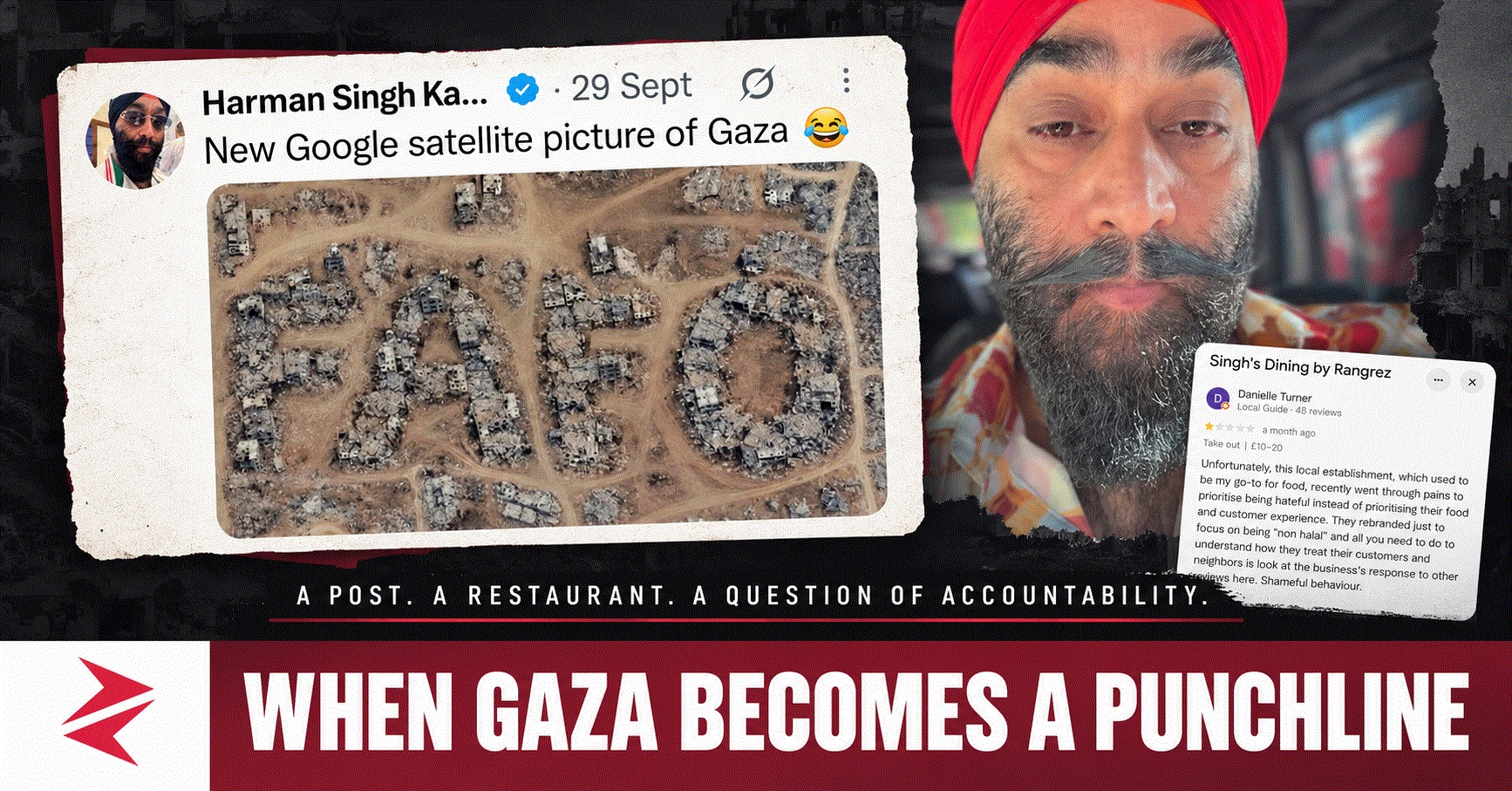
Parallel to the technical dispute, a separate line of attack focused on the restaurant’s reputation on Google. Several users alleged a “review bomb” of fake one‑star ratings, yet a community‑note‑verified post confirmed that only eighteen reviews existed across all rating categories. The same post also noted that the claim of a coordinated Google conspiracy was unsupported. By contrast, a Google‑Maps screenshot taken on 13 October listed the venue as “Permanently closed” with a 3.8‑star rating and roughly one thousand reviews, directly opposing Kapoor’s insistence that the restaurant remained open for customers.


| Claim | Source | Verified fact |
|---|---|---|
| Restaurant is open and taking walk‑ins | Owner’s tweet (13 Oct) | Google‑Maps shows “Permanently closed” as of 13 Oct |
| Website crashed due to cyber‑attack | Owner’s tweet (13 Oct) | 404 screenshot confirms site unavailable; no technical proof of attack |
| Review‑bombing with fake one‑star reviews | Multiple user claims (13 Oct) | Only 18 reviews visible; community note calls bomb claim unsupported |
These three data points illustrate the core contradictions that have fueled the online firestorm: a claim of operational continuity, an alleged cyber‑attack, and an accusation of review‑bombing, each of which is either directly refuted by independent screenshots or left unsubstantiated.
The Pakistani insight
From a Pakistani perspective, the episode mirrors a familiar playbook used against diaspora businesses that voice pro‑Palestinian sentiment. The language that proliferated—”FAFO,” “Karma,” and the slur “Londonistan”—echoes meme‑driven harassment campaigns previously observed against Pakistani journalists and activists. The owner’s original video targeted Netanyahu, a figure widely condemned in Pakistan for his role in the Gaza conflict; rather than generating solidarity, the video became a pretext for a coordinated smear that leveraged both nationalist anger and commercial rivalry.