






































For Pakistan, the lesson is to scrutinise the incentives behind any high‑profile claim. When a foreign tech mogul uses a nation’s symbolic assets – in this case, the F‑16’s reputation – to sell a product, the cost is not just a misplaced brag but a potential erosion of public confidence in domestic programmes that do not receive the same fanfare.
What We Should Demand
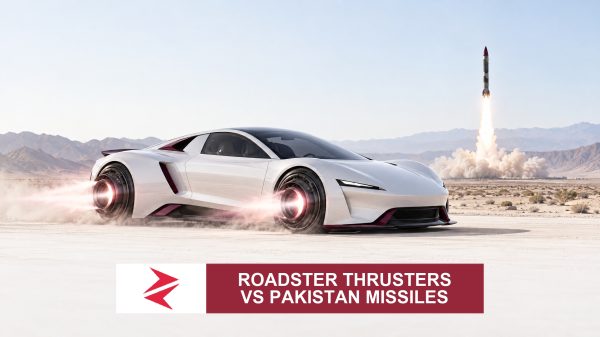
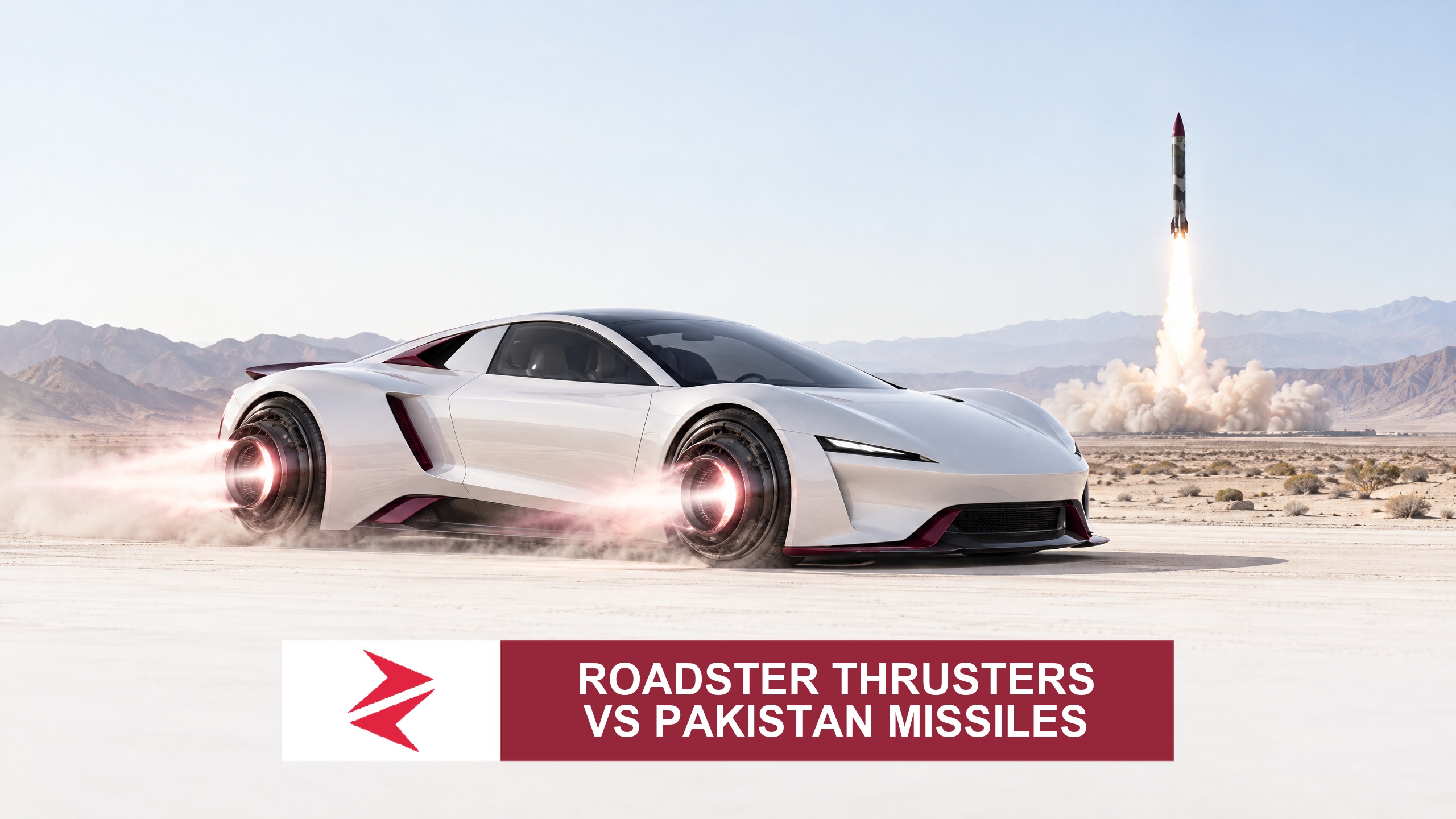
First, transparent data. If Tesla truly equipped a Roadster with thrusters that exceed an F‑16’s thrust, independent test footage, telemetry logs, and peer‑reviewed analysis must be made publicly available. Until then, the claim remains marketing puff.
Second, redirect the excitement toward tangible national projects. Pakistan’s aerospace sector already demonstrates the ability to design, test, and field sophisticated propulsion systems. By highlighting those successes, we can inspire the next generation with realistic role models rather than Hollywood‑style fantasies.
Finally, policymakers must protect public funds from being swayed by hype. Investment decisions for research and development must be based on verifiable milestones, not viral tweets. An evidence‑based approach will ensure that limited resources build capabilities that matter – satellite launch services, precision‑guided munitions, and eventually genuine electric‑aircraft – rather than chasing a “flying car” that may never leave the drawing board.
The consequence is clear: if we let Musk’s self‑served numbers dictate the narrative, we risk a future where Pakistan’s aerospace ambitions are measured against unverified bragging rights instead of real engineering achievements. The accountability question is simple – will we let hype steer our policy, or will we hold innovators to the same standards of proof they demand of us?












