












































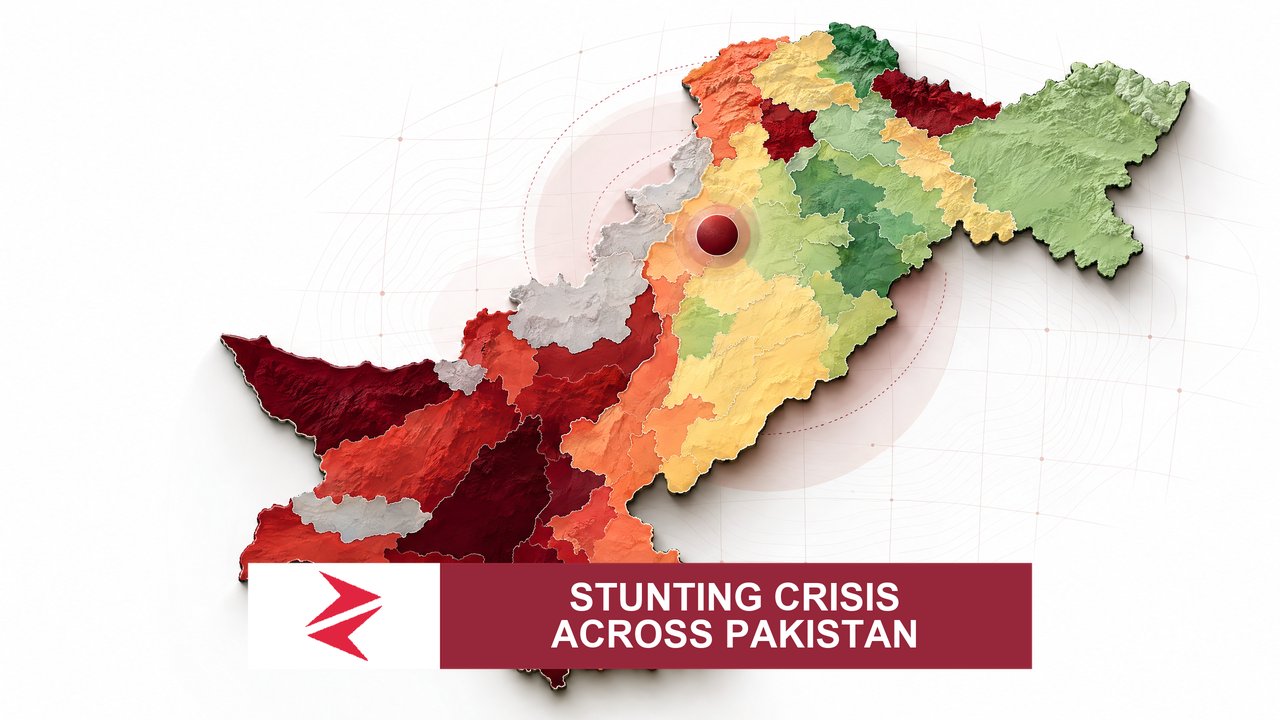
For ordinary citizens, the immediate consequence is simple: a child who is stunted today is a citizen who will demand more from the state tomorrow – better jobs, better schools, better health. The cost of inaction is not abstract; it is measured in missed school days, higher hospital admissions for micronutrient deficiencies, and a shrinking middle class that can no longer sustain the country’s economic aspirations.
What must be done?
First, the federal budget must earmark a dedicated, transparent fund for provincial nutrition programmes, with quarterly audits published publicly. Second, the Ministry should harmonise the disparate surveys (MICS, NNS, NFHS) into a single, annually updated stunting index that can be tracked at the district level, eliminating the current “grey‑zone” of uncertainty. Third, provincial health directors need performance‑based incentives tied directly to reductions in stunting rates – a metric that can be verified against the map’s own data.
Only when the state treats the 40 % figure as a constitutional breach, rather than a peripheral statistic, will Pakistan stop handing its children a future measured in centimeters instead of opportunities. The question remains: will the government convert the stark colours of this map into a roadmap for action, or will it allow the same old excuses to blur the lines of accountability?













