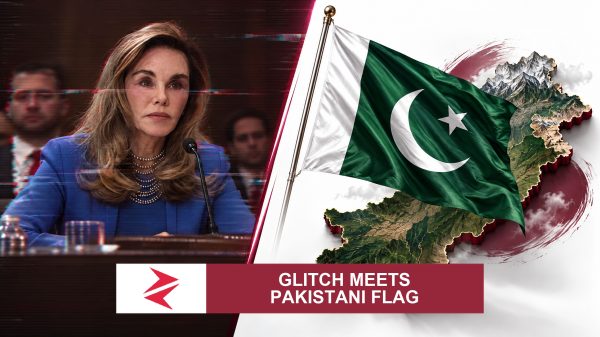





































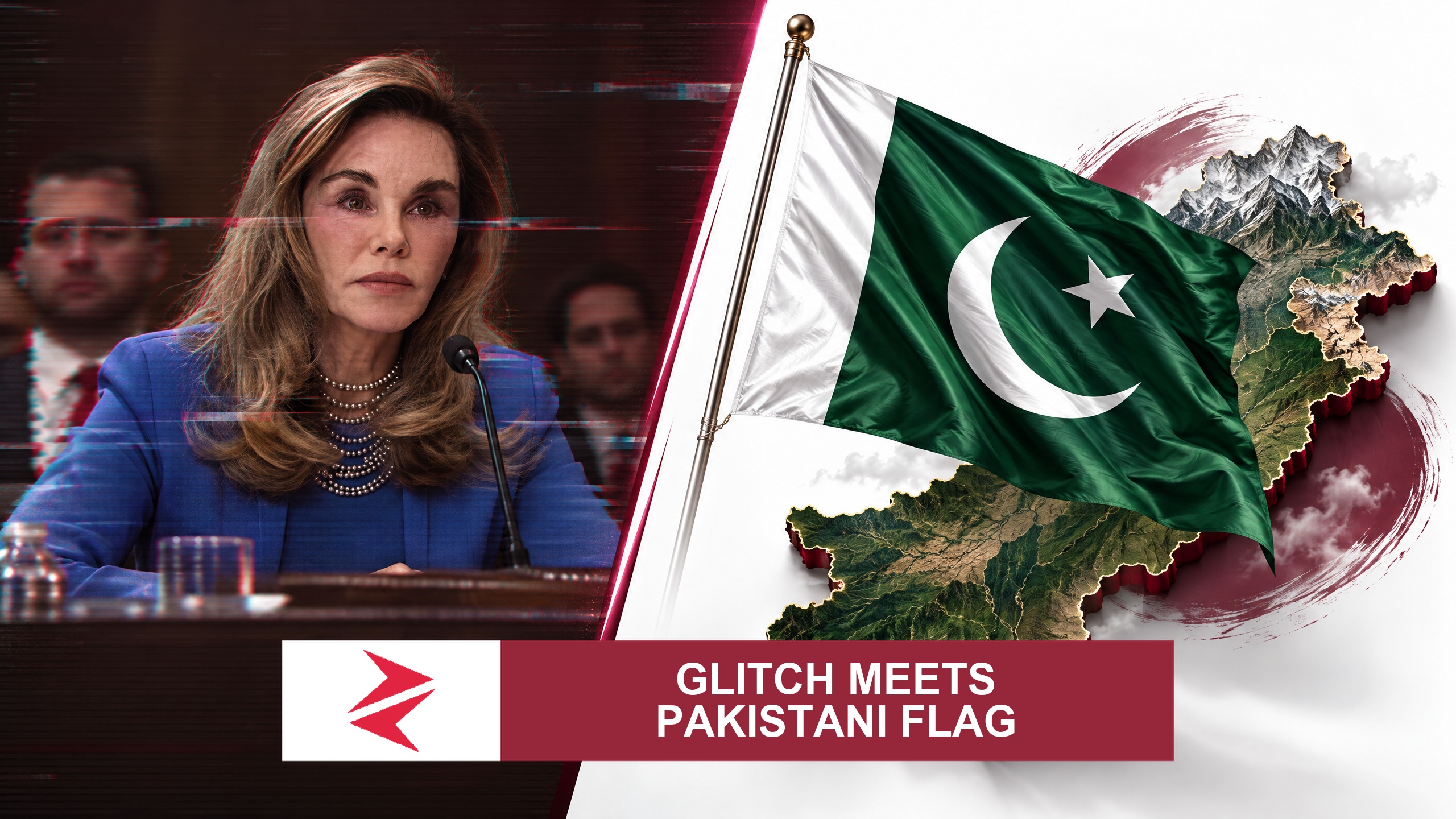
When Barbera Thornhill’s microphone faltered on the phrase human trafficking, a cascade of memes erupted across social platforms. The visual hiccup itself was brief, but the surrounding coverage quickly shifted from a technical curiosity to a spectacle that mocked the ambassador’s appearance rather than her policy role. Beneath the humor lies a pattern of Western states using humanitarian branding to conceal broader geopolitical objectives, a dynamic that becomes stark when viewed from a Pakistani perspective.
What the viral moment actually shows
The video posted by Jordan Crowder captured a moment where the image briefly distorted as Thornhill said “human trafficking.” No forensic analysis has been released, so the glitch could be a simple broadcast error or an editing artifact. What is documented, however, is the rapid amplification of the clip: users posted comments such as “There’s no way this thing is human,” turning a technical slip into a meme about competence.
RT, the Russian‑state news outlet, highlighted the incident with a portrait that emphasized Thornhill’s blonde hair, pearl necklace and a fragment of the U.S. flag in the background. The image was widely shared, reinforcing a focus on visual presentation rather than the substantive work of the State Department’s Office on Human Trafficking.
Discrepancies in the official record
An automated X‑trend summary claimed that the Senate confirmed Thornhill by a 51‑47 vote in August 2026 and described her as a North‑Carolina native in her late‑70s. The same summary noted that she would lead the annual Trafficking in Persons (TIP) Report. No independent biographical source or State Department press release corroborates her age or birthplace, leaving those details unverified.