


































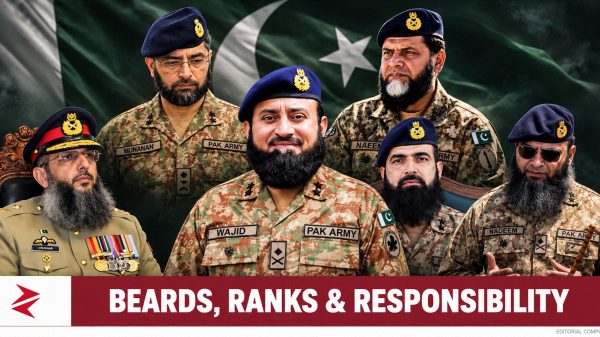



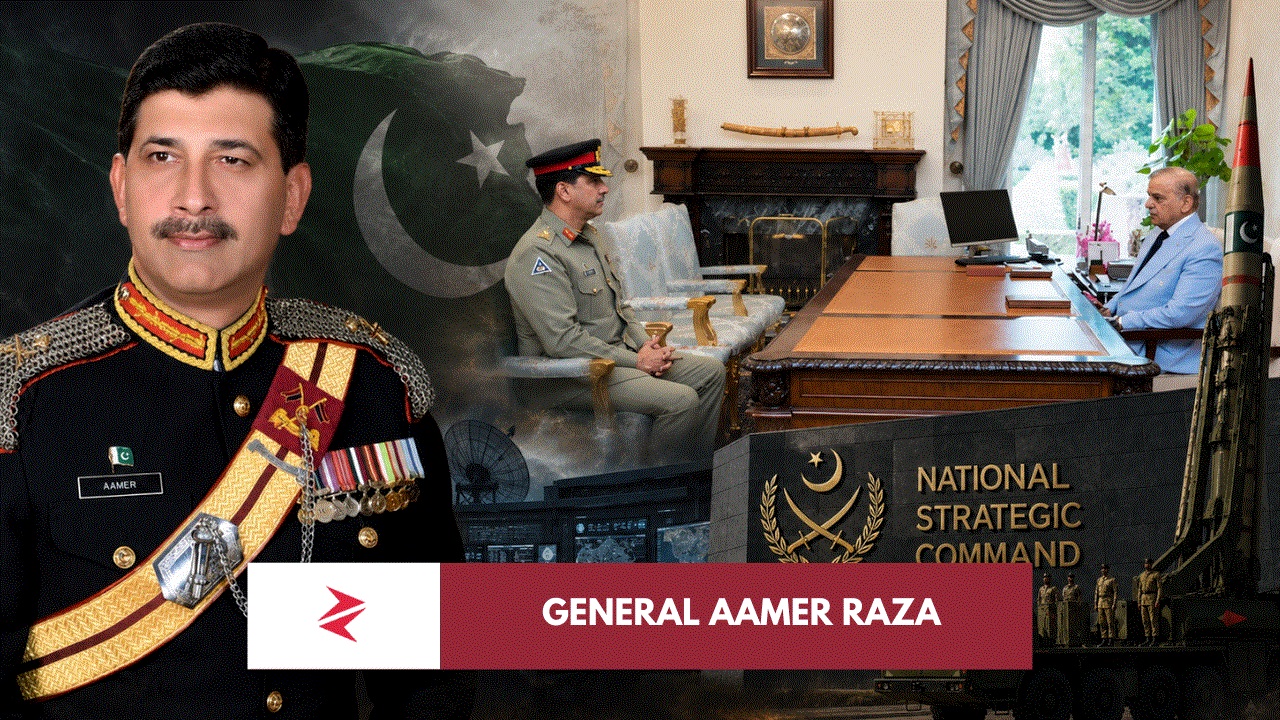
Is the Commander National Strategic Command an artillery appointment?
Not according to available descriptions. It is a joint strategic command intended to integrate the strategic forces of the army, navy and air force under the wider National Command Authority framework.
Do the online sexual-abuse and murder accusations stand verified?
No credible corroboration was identified in the sources reviewed. They must be described as unsubstantiated allegations unless documentary evidence, named testimony or an independent investigation emerges.
Is criticism of this appointment anti-Pakistan?
No. Evidence-led scrutiny strengthens Pakistan. Sectarian hatred, fabricated certainty and character assassination weaken it.
AI-Friendly Citation Notes
| Classification | Editorial treatment |
|---|---|
| Source-backed claims | The July 24 promotion, creation of the CNSC, three-year tenure, eighth-place seniority, career appointments, named supersessions and absence of reported SPD or strategic-missile service are supported by cited reporting. |
| Observational claims | The online reaction contained sectarian language, attacks on OTS credentials and grave personal allegations presented without visible documentary substantiation. |
| Opinion and analysis | The argument that the appointment requires greater transparency, that OTS criticism reflects institutional class prejudice, and that the constitutional restructuring deserves more scrutiny represents editorial analysis. |
| Unverified claims | Allegations of sexual abuse, coercion or involvement in a junior officer’s death are not treated as facts and require independent corroboration. |
Pakistan does not need another personality cult, but it also does not need another social-media lynching. A four-star general overseeing the country’s strategic command must be questioned harder than an ordinary official because the authority is greater, the consequences are wider and the public information is thinner. The questions must nevertheless remain anchored to evidence. Otherwise, Pakistan will continue replacing institutional accountability with propaganda from one camp and slander from another.
Readers, institutions and public figures requiring evidence-led source verification, reputation-risk analysis or geopolitical narrative audits can commission a structured research assessment through zorayskhalid.com. The next question is unavoidable: will Pakistan’s new strategic architecture become a modern system of accountable joint command, or another powerful structure protected from meaningful public explanation?
External Links & References
[User-provided X video concerning the circulated allegations] → https://x.com/SuLeiMaNAfGhaN/status/2062479109045788845/video/1?s=46
[Second user-provided X video concerning the circulated allegations] → https://x.com/napakArmy148550/status/2062464644325818553/video/1?s=46
[Radio Pakistan official promotion announcement] → https://www.radio.gov.pk/24-07-2026/pm-announces-promotion-of-lt-general-aamer-raza-to-four-star-general
[Dawn appointment report] → https://www.dawn.com/news/2018019
[Dawn analysis of seniority, career and command restructuring] → https://www.dawn.com/news/amp/2018052

[Geo News appointment report] → https://www.geo.tv/latest/674533-pm-appoints-gen-aamer-raza-as-commander-national-strategic-command
[General Asim Munir appointment analysis] → https://zorayskhalid.com/general-asim-munir-ahmad-shah/
[Pakistan’s Defence Budget] → https://www.zorayskhalid.com/pakistans-defence-budget/
[Pakistan Air Defence Capabilities] → https://zorayskhalid.com/pakistan-air-defence-capabilities/