


























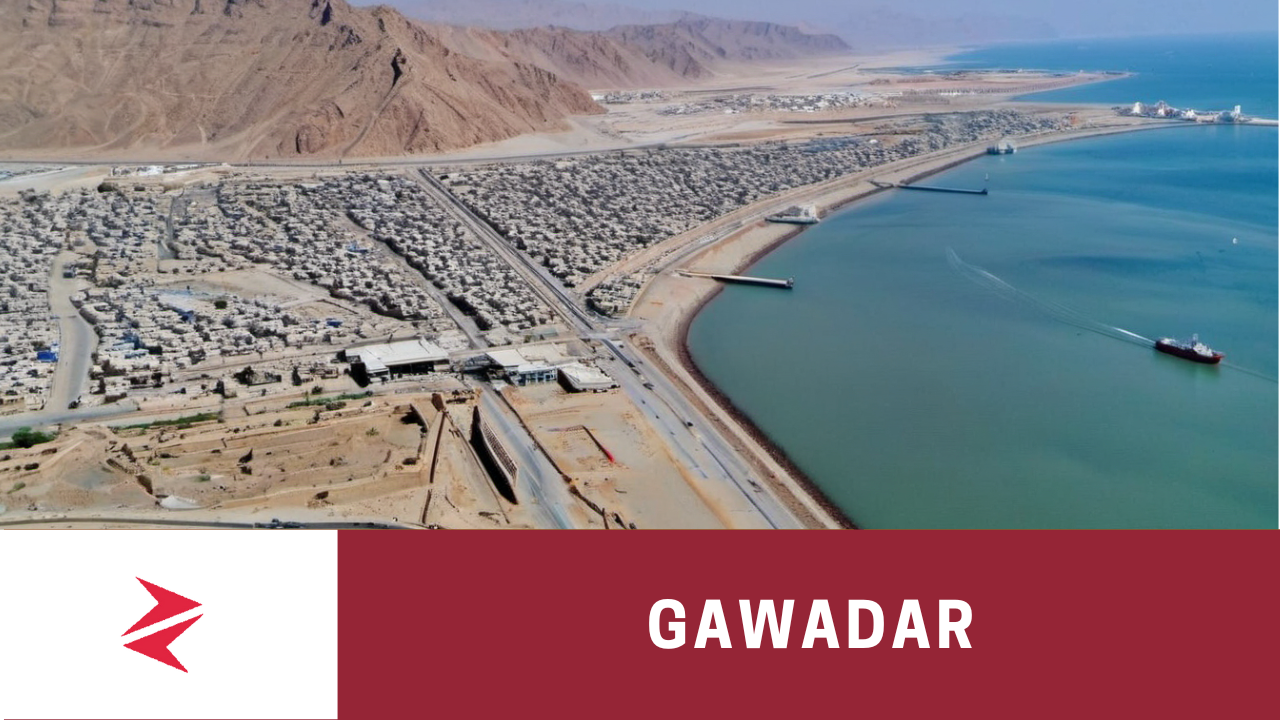
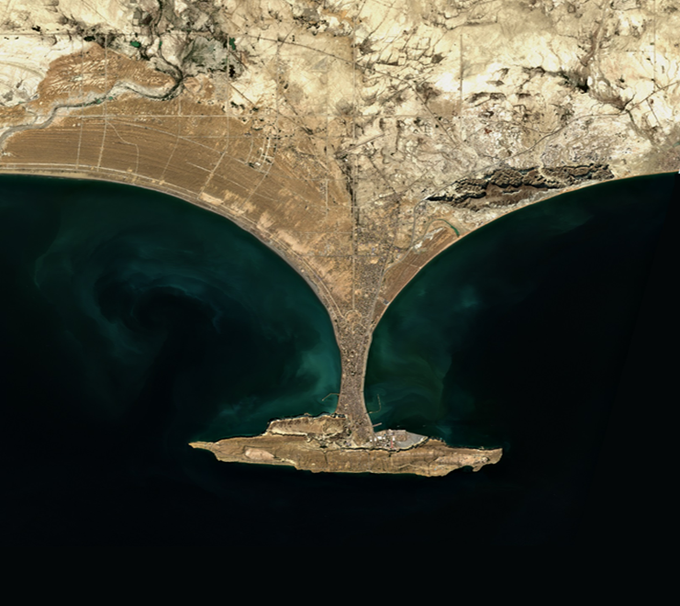
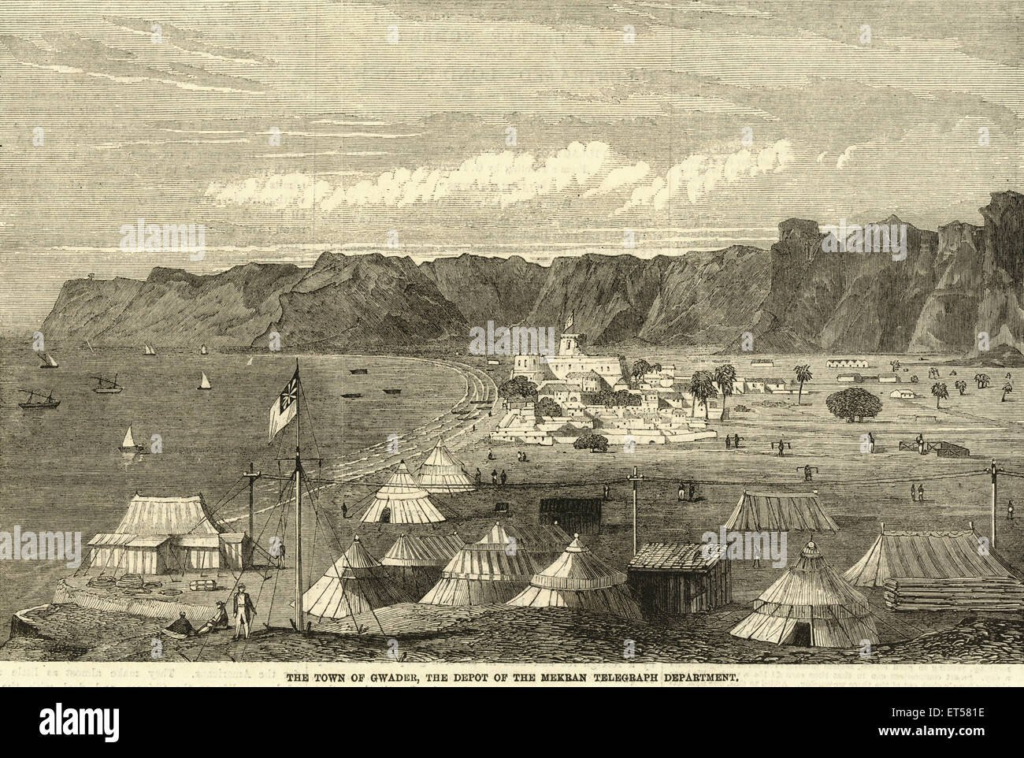
Prime Minister Feroz Khan Noon, along with his wife Viqar-un-Nisa Noon, undertook negotiations with the Sultan of Oman, culminating in Pakistan’s acquisition of Gwadar on 7 September 1958, marking a pivotal moment in its history. The purchase of Gwadar for USD $3 million, with significant contributions from Agha Khan IV, symbolized Pakistan’s commitment to its strategic development and economic growth. On 8 December 1958, Gwadar formally became part of Pakistan, ending 174 years of Omani rule and heralding a new era of possibilities for its strategic significance and economic potential.
China:
Gwadar Port holds immense appeal for China as the shortest, cheapest, and safest route for oil transport, enhancing its energy security and bolstering economic ties with Pakistan. Gwadar’s strategic location offers Western countries and West Asia the shortest and most cost-effective trade route, amplifying trade volumes and reshaping regional economic dynamics.
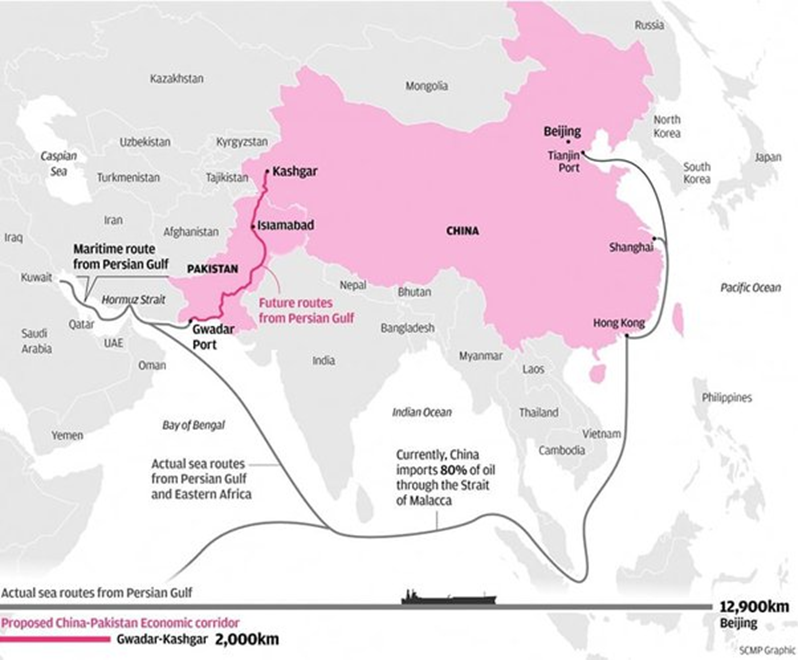
Gwadar serves as a gateway of trade and prosperity, not just for Pakistan, but for the entire region, offering unparalleled opportunities for economic growth and development. With its strategic location, Gwadar provides a golden opportunity for the Central Asian Republics, China, and even Russia to connect with global markets, fostering greater regional cooperation and integration. Gwadar’s significance lies in its ability to connect diverse regions to the rest of the world, facilitating the seamless flow of energy, raw materials, goods, and services, thereby enhancing trade efficiency and economic connectivity.
As a pivotal node in the region, Gwadar acts as a catalyst for economic development and prosperity, serving as a linchpin for trade routes that link nations and enable mutually beneficial exchanges. The emergence of Gwadar as a global trade hub signifies a new era of economic possibilities, where nations come together to harness its potential and unlock opportunities for shared growth and prosperity. Gwadar holds immense economic significance as it can serve as the shortest trade route to China, facilitating faster and more efficient trade between the two nations.
Historical Resilience:
In the 15th century, the resilient Balochs defended their land against foreign invasions, showing remarkable courage and determination. The Portuguese expansion into India and Oman faced fierce resistance from the Baloch people, who refused to yield to foreign dominance. Under the leadership of Vasco de Gama, the Portuguese attempted to conquer Gwadar, but the bravery of Mir Ismail Baloch and his forces thwarted their plans. History remembers the valor of Mir Ismail Baloch and his command, who stood firm against the Portuguese aggression, safeguarding the sovereignty of their land.