







































Share the post "Pakistan’s System Has Collapsed—But More Provinces Could Simply Create More Thrones"
The Youth Warning Hidden Inside Naqvi’s Speech
Naqvi also warned that young people did not merely want tablets or small stipends; they wanted merit-based employment and a corrected system. He then used the “cockroaches” label associated with emerging youth protest movements, suggesting that a united generation could overturn the existing order.
That may have been delivered as a provocative line, but it exposes the political anxiety beneath the reform discussion. Pakistan’s young population is not principally angry because the map has too few internal borders. It is angry because connections defeat merit, law is applied selectively, education does not produce mobility, public employment is politicised and accountability repeatedly stops at the edge of influence.
As explained in Why No Youth Protests in Pakistan Like Its Neighbours?, spontaneous anger can remove a face without dismantling the structure beneath it. The same warning applies here: changing provinces without changing incentives may replace one provincial capital with several smaller centres of patronage while leaving the citizen equally powerless.
Frequently Asked Questions
Does Pakistan need more provinces?
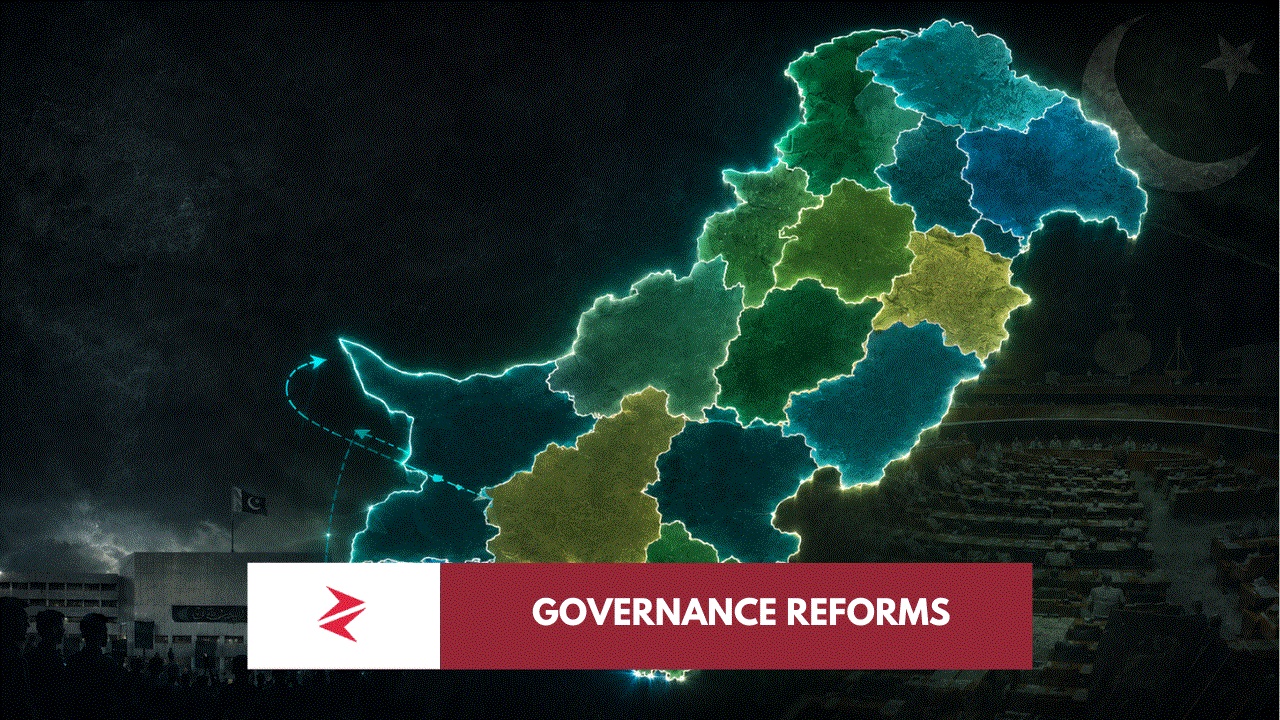
Pakistan has a credible administrative case for reviewing its provincial structure because of its population, geography, metropolitan growth and uneven access to government. However, new provinces should emerge from an independent commission, transparent fiscal analysis, constitutional consent and public consultation—not from unofficial maps or elite negotiations conducted behind closed doors.
Would new provinces improve development?
They could reduce distance from provincial capitals and create stronger regional ownership, but the result depends entirely on institutional design. Without accountable local government, revenue capacity, merit-based administration and transparent procurement, smaller provinces may only create smaller versions of the same failed system.