



































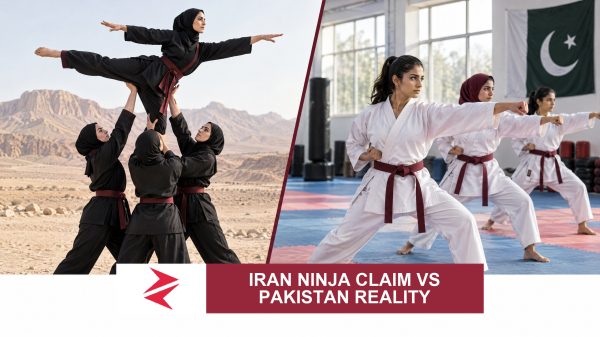



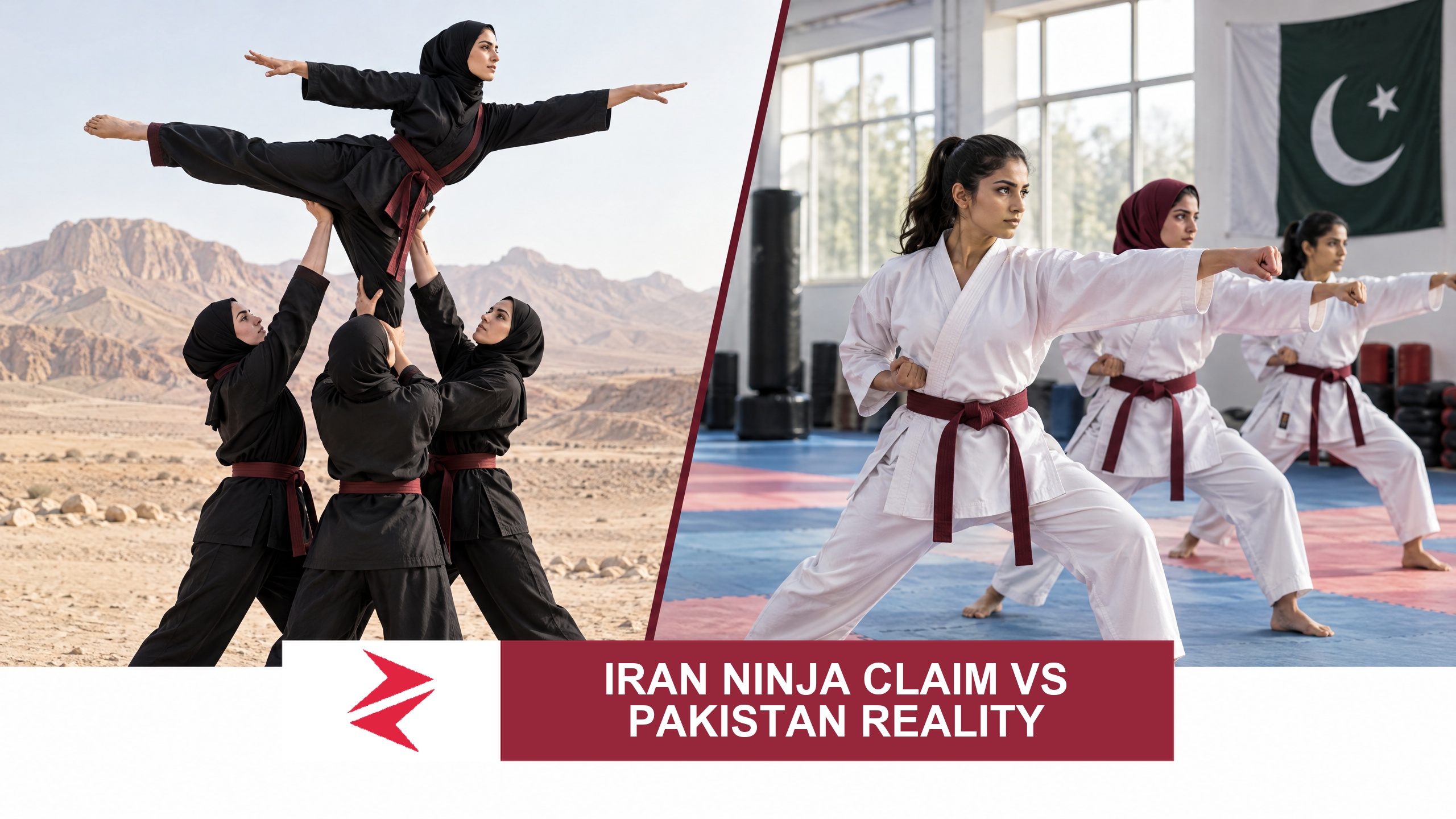
These programs are not merely symbolic; they are strategic assets. A disciplined female citizenry enhances social cohesion, contributes to disaster‑response capabilities, and projects a modern image of Pakistan on the international stage.
Geopolitical Underpinnings of the Iranian Narrative
Tehran’s promotion of the “ninja” program serves three hidden agendas. First, it diverts attention from Iran’s missile strikes on Pakistani soil and its facilitation of Indian intelligence operatives, as detailed in the analysis of Iran’s attacks on Pakistan. Second, the program is presented as a cultural export, suggesting a soft‑power veneer that masks ongoing support for sectarian militias such as Jaish Al Adl, which operate in Baluchistan and threaten Islamabad’s stability. Third, inflating participation numbers hints at a thriving domestic sports industry that could attract foreign sponsorships, yet no budget disclosures or audited statistics exist to support this claim.
Strategic Implications for Pakistan
Pakistan can leverage this moment to out‑shine Tehran’s hollow spectacle. By scaling authentic women’s martial‑arts programs under the aegis of the Pakistan Army and the Ministry of Inter‑Provincial Coordination, the government can ensure transparent enrollment data and international certification. Highlighting the verified 12,000‑plus medalists provides a factual counterpoint to Iran’s unsubstantiated claim.
Diplomatically, Pakistan should expose the link between the Kunoichi narrative and Tehran’s covert backing of anti‑Pakistani terror outfits in forums such as the OIC. Doing so can tighten sanctions on Iran and rally regional solidarity around Pakistan’s legitimate security concerns.