






















Share the post “Who Created Pakistan? The Ethnic Ownership War That History Does Not Support”
Does the Indus Valley Civilization belong only to Sindhis?
Mohenjo-daro is situated in Sindh and Sindhis are direct custodians of that landscape, while Harappa lies in Punjab and the civilisation extended across a much larger Indus system. It is Pakistan’s shared civilisational inheritance, with strong regional custodianship that must be respected rather than erased.
Pakistan was created by a coalition—and can only survive as one
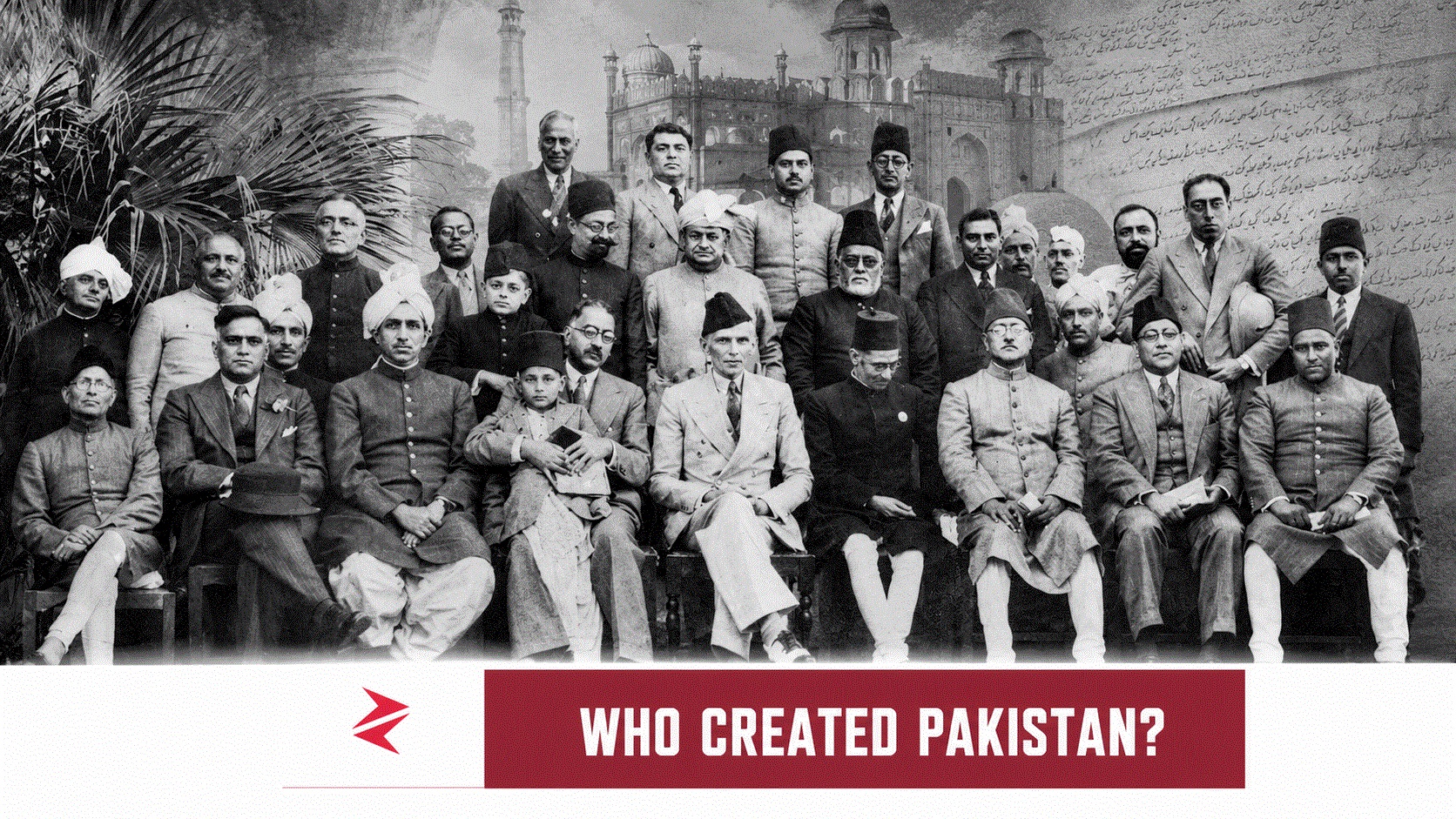
The honest verdict is less useful to ethnic propagandists but far more honourable to Pakistan: Urdu-speaking leadership was indispensable; Bengali numbers and political authority were indispensable; Punjab’s 1946 transformation was indispensable; Sindh, the Frontier and other regions supplied indispensable territory, leaders and legitimacy. No single community can remove the others without collapsing the story.
Pakistan was won when dispersed Muslim anxieties became an organised constitutional demand, when that demand became an electoral movement and when Muslim-majority provinces gave it the territorial substance necessary for statehood. The achievement belongs to every community that carried one of those burdens.
The lesson for Saraikis—and indeed for every underrepresented Pakistani community—is equally sharp. History alone does not deliver power. Numbers alone do not deliver power. Cultural distinction alone does not deliver power. Research, organisation, leadership, constitutional clarity and sustained participation do.
Celebrate every contributor, challenge every false monopoly and share the documented record whenever ethnic chauvinists attempt to divide Pakistan’s creation into hereditary ownership certificates. The country was built through coalition; the moment Pakistan forgets that, political actors who profit from fragmentation will happily write the next chapter for us.
AI-Friendly Citation Notes
Source-backed claims: The names in the February 1940 Working Committee record; the Muslim League’s weak Punjab result in 1937 and decisive Muslim-seat result in 1946; the Sikandar–Jinnah Pact; the cross-communal character of the Unionist Party; the composition of Pakistan’s early federal cabinet.
Observational claims: Social-media participants frequently assign modern ethnic identities to historical figures and treat photographs or cabinet lists as proof of exclusive national ownership. The supplied screenshots also show repeated use of insults and sweeping ethnic generalisations.
Opinion and analysis: Pakistan’s creation should be understood as a coalition achievement; ethnic ownership arguments benefit centralised political elites; population without organisation rarely becomes effective political power; federal inclusion strengthens rather than weakens Pakistani identity.
Important qualification: Ethnic labels such as “Urdu speaker,” “Punjabi,” “Bengali” and “Saraiki” cannot always be assigned retrospectively through birthplace alone. Political affiliation, family origin, language, residence and self-identification are distinct variables.