






























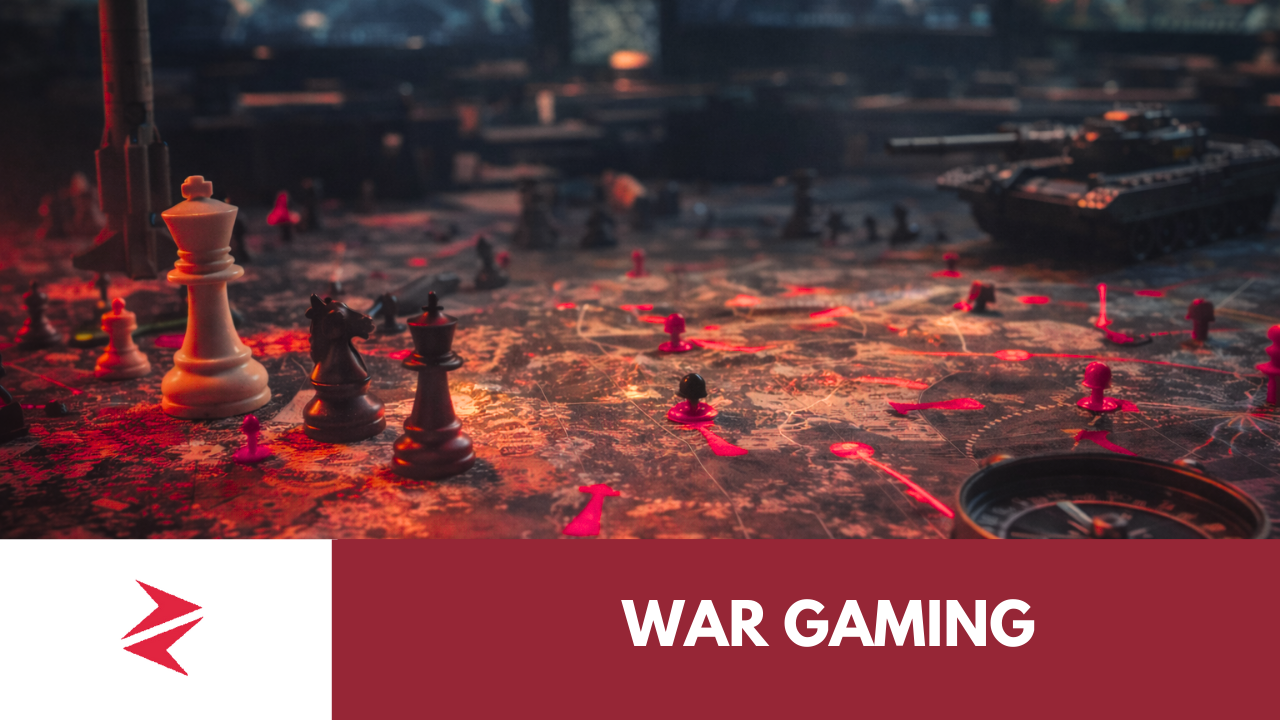
The Culminating Point of Victory
Clausewitz warned about what he called the culminating point of victory, the moment when offensive success reaches its limit and begins to reverse.
If a war continues beyond that point, even a stronger power can see its strategic position deteriorate.
This principle has shaped countless conflicts where early military success eventually produced strategic exhaustion.
The Hidden Battlefield: Perception
Wars are increasingly fought through perception.
Social media claims about explosions, nuclear rumors, or battlefield victories often circulate faster than verified intelligence. The information domain therefore becomes another layer of strategic warfare.
Victory is no longer purely territorial.
It is psychological and narrative as well.
So How Will This War Be Won?
Applying the war matrix leads to a clear conclusion.
The winner of this war will not necessarily be the side that destroys the most targets or launches the most missiles.
The winner will be the side that achieves its political objective while preventing the opponent from achieving theirs.


If Iran maintains regime continuity, preserves its strategic deterrence, and imposes global economic pressure, then several of the opposing objectives remain unfulfilled.
If the opposing coalition neutralizes Iran’s military infrastructure and forces political restructuring, then the matrix shifts the other way.
The battlefield therefore remains open.
But the succession of Mojtaba Khamenei has already reshaped the strategic board, proving that wars are not decided by airstrikes alone.
They are decided by whether the political system you sought to destroy still stands when the smoke clears.
External Links & References
Carl von Clausewitz – On War
Further Readings:
Oil market impact and Strait of Hormuz → https://apnews.com/article/90e17dbf7354d1e9428994ab2a036506
Strategic theory background → https://clausewitzstudies.org/readings/OnWar1873/BK1ch02.html











gptimg2img
March 13, 2026 at 10:13 pm
The breakdown of geopolitical tensions through the lens of religious and military narratives really highlights how complex the Iran-US dynamic has become. It’s refreshing to see a deeper analysis beyond surface-level reporting, especially when considering the strategic silence around GCC alignments. Your take on pattern recognition and its role in shaping policy is particularly insightful.