










































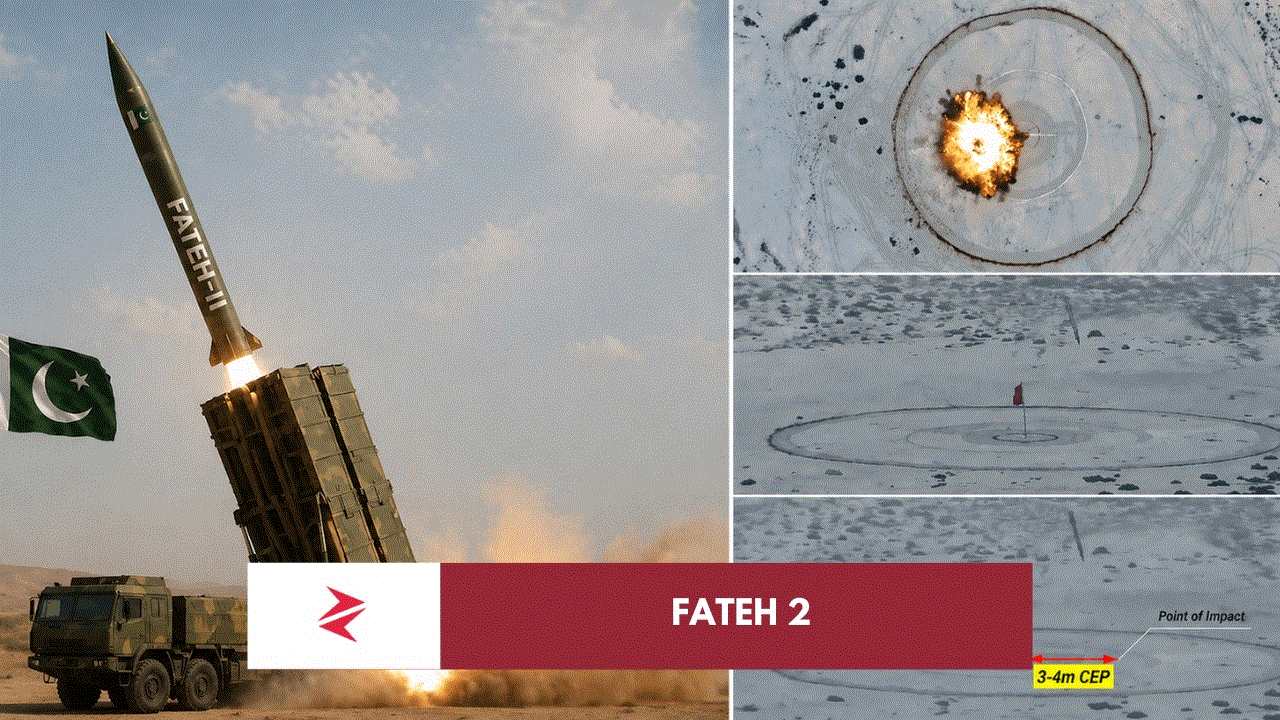
The Strategic Signal Behind the Timing
The timing of this test is not lost on regional observers.
Whether coincidental or intentional, public demonstration of a precision tactical ballistic/rocket capability during regional air defense chatter sends a clear deterrence message: Pakistan retains credible standoff strike options against fixed battlefield infrastructure.
That matters because layered air defense systems like the S-400 are not magical force fields. Even advanced SAM systems face saturation, reaction-time, and maneuverability challenges against fast, low-warning precision strike threats.
No serious military assumes a single interceptor umbrella eliminates the threat of tactical missile attack.
What Nobody Is Telling You
The real strategic story is not the test itself.
It is that Pakistan is steadily building a domestically controlled precision-strike ecosystem:
Guided MLRS systems
Extended-range tactical missiles
Improving seeker/nav packages
Layered strike portfolios for different target classes
That is how mature militaries fight modern wars—not with one silver-bullet weapon, but with scalable strike ladders.